"As the global push for sustainability accelerates, the Solar and Wind Hybrid Street Light emerges as a powerhouse solution. By combining Photovoltaic energy with Kinetic wind conversion, these systems deliver unrivaled reliability, staying bright even when the sun sets or the wind stalls."
Dual-Source Energy Harvesting
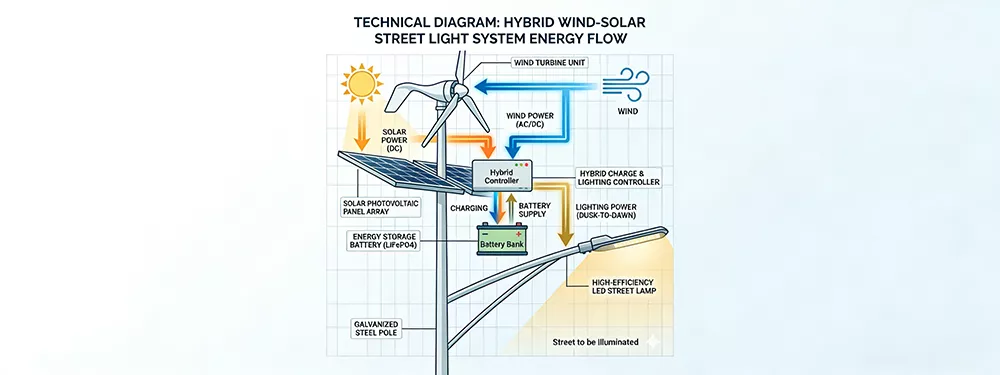
Unlike standalone units, hybrid systems capture energy via two pathways: Monocrystalline PV panels for peak daylight and low-start-up wind turbines for nighttime or stormy weather. This energy is managed by a smart controller to ensure a constant power reservoir.
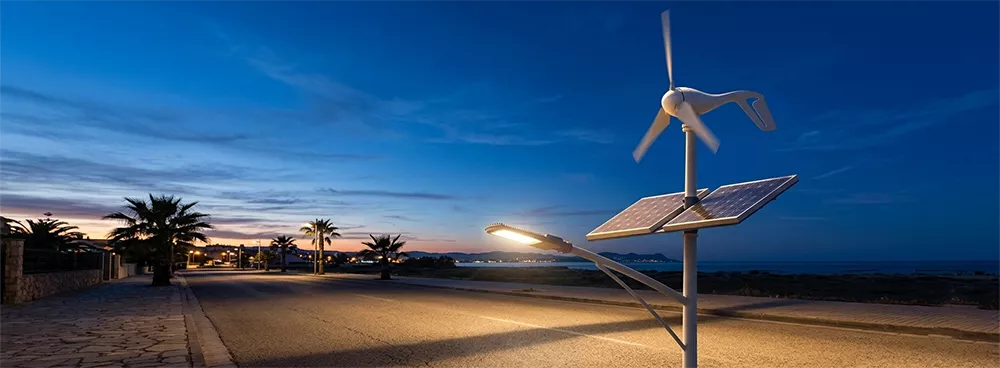
Fig 1.0 - Hybrid Operation in Coastal Dusk Conditions
Engineering Blueprint & Core Components
Solar PV
High-efficiency Monocrystalline silicon collectors acting as the primary energy source during peak daylight hours.
Wind Turbine
Low-start-up speed turbines (Vertical/Horizontal) designed for continuous power generation in light breezes and storms.
LiFePO4 Storage
Modern Lithium Iron Phosphate batteries with 10-year+ lifespan and superior deep-discharge resilience.
Smart Control
Integrated PIR Motion Sensors and intelligent dimming logic to extend battery life by up to 40%.
Comparative Analysis: Traditional vs. Solar vs. Hybrid
Feature
Traditional Grid
Standalone Solar
E-ABLE Hybrid
Energy Reliability
Grid Dependent
Weather Dependent
24/7 Redundancy
Installation Cost
High (Trenching)
Low (Off-grid)
Low (No Cabling)
Monthly Power Bill
Ongoing Expense
$0.00
$0.00
ESG Impact
Carbon Intensive
Eco-Friendly
Sustainability Leader
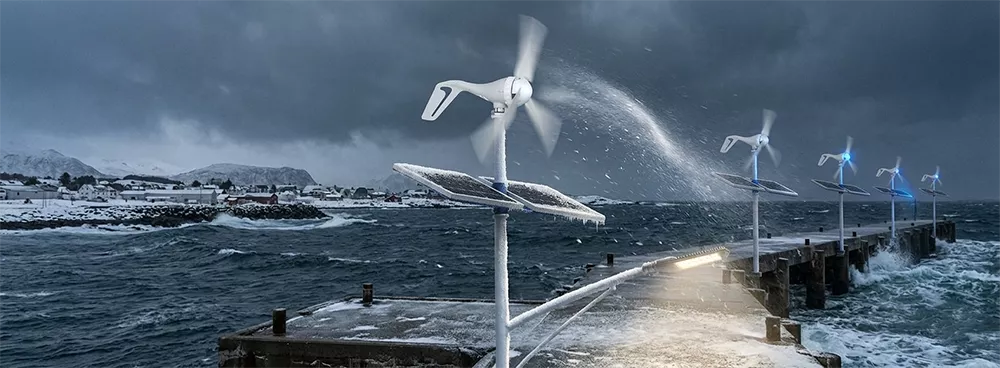
Off-Grid Reliability in Extreme Environments
Coastal RegionsMountainous TerrainSmart City InfrastructureRemote Industrial Parks
Light the Path to 2030 Sustainability
E-ABLE POWER provides customized hybrid simulations and professional project engineering support for municipal infrastructure.
E-Able Solar is a prominent Chinese manufacturer of solar lighting and commercial energy storage systems, offering All-in-One and All-in-Two solar street lights, Split solar street lights, Solar Garden Lights, and C&I to utility-scale LiFePO4 energy storage solutions (50kW to 1MW+).
+86-15355589600 sales@e-ablepower.com Building C, Huiheng Industrial Park, No. 3 Fenghuang West Road, Shajiao, Humen Town, Dongguan City, Guangdong Province