FAQ Energy Storage System

  • Q What after-sales support and warranty do E-Able Power ESS projects include?

    A

    5-year standard warranty

    Every E-Able Power energy storage system carries a 5-year standard warranty covering manufacturing defects in cells, BMS, and integrated subsystems. Given the 6,000+ cycle LiFePO4 chemistry, the battery itself typically outlives the warranty period by 2–3x.

    Technical support

    • Remote diagnostics and EMS configuration support during operation
    • Firmware updates for BMS/EMS controllers
    • Response within 24 hours for warranty claims; replacement parts shipped promptly

    Maintenance requirements

    Minimal: annual visual inspection, HVAC filter cleaning, and panel/dust checks. LiFePO4 requires no water, no electrolyte, no equalization — the main periodic task is verifying BMS state-of-health in the monitoring portal.

    Training & documentation

    Installer training (in-person or video), complete O&M manuals, spare-parts kits, and battery replacement guidance are provided with every delivered project — the same standard applied across our 60+ country install base.

    E-Able Power energy storage project after-sales support and 5 year warranty

    Related: GCB-E240 125kW/241kWh · GHR-314 Rack

  • Q Can E-Able Power support turnkey project delivery worldwide?

    A

    Turnkey scope

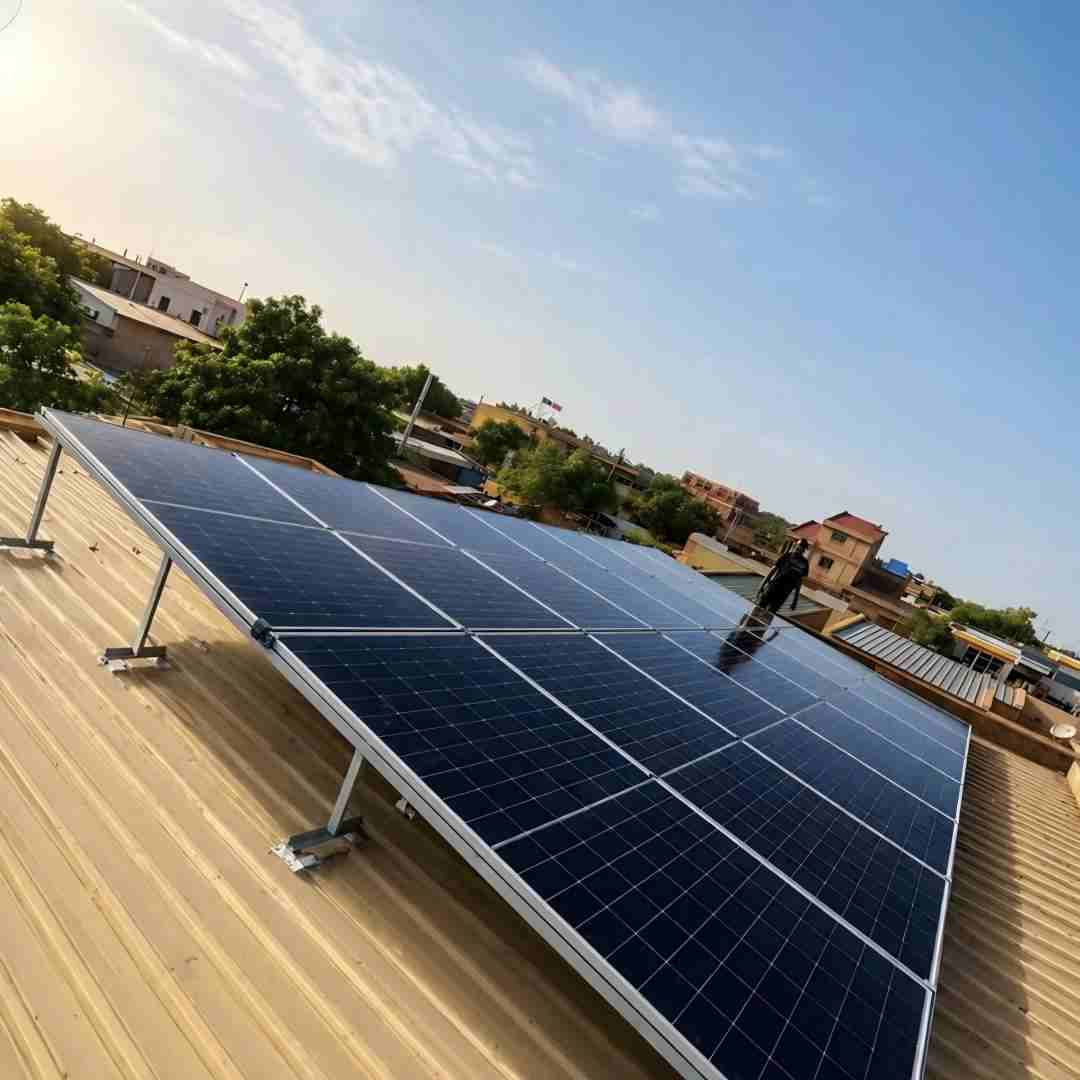
    Yes — from the 10kW to 36kW installations shown in our case gallery up to 2.4MWh container projects, E-Able Power delivers turnkey: system design, DIALux/layout simulation, manufacturing, logistics coordination, installation supervision, and commissioning support.

    Global case references

    Our project portfolio spans 60+ countries across municipal solar lighting and commercial storage — from Southeast Asia to Latin America and Africa. Multi-language technical documentation and export packaging are standard.

    Documentation & support

    • Complete engineering files (layout, single-line diagrams, datasheets) in 2–3 business days
    • CE/RoHS compliance; project-specific certification documents on request
    • Remote commissioning assistance and installer training via video

    Get started

    Send your site plan, load data, and target country — we respond with a full proposal including logistics and landed-cost estimate.

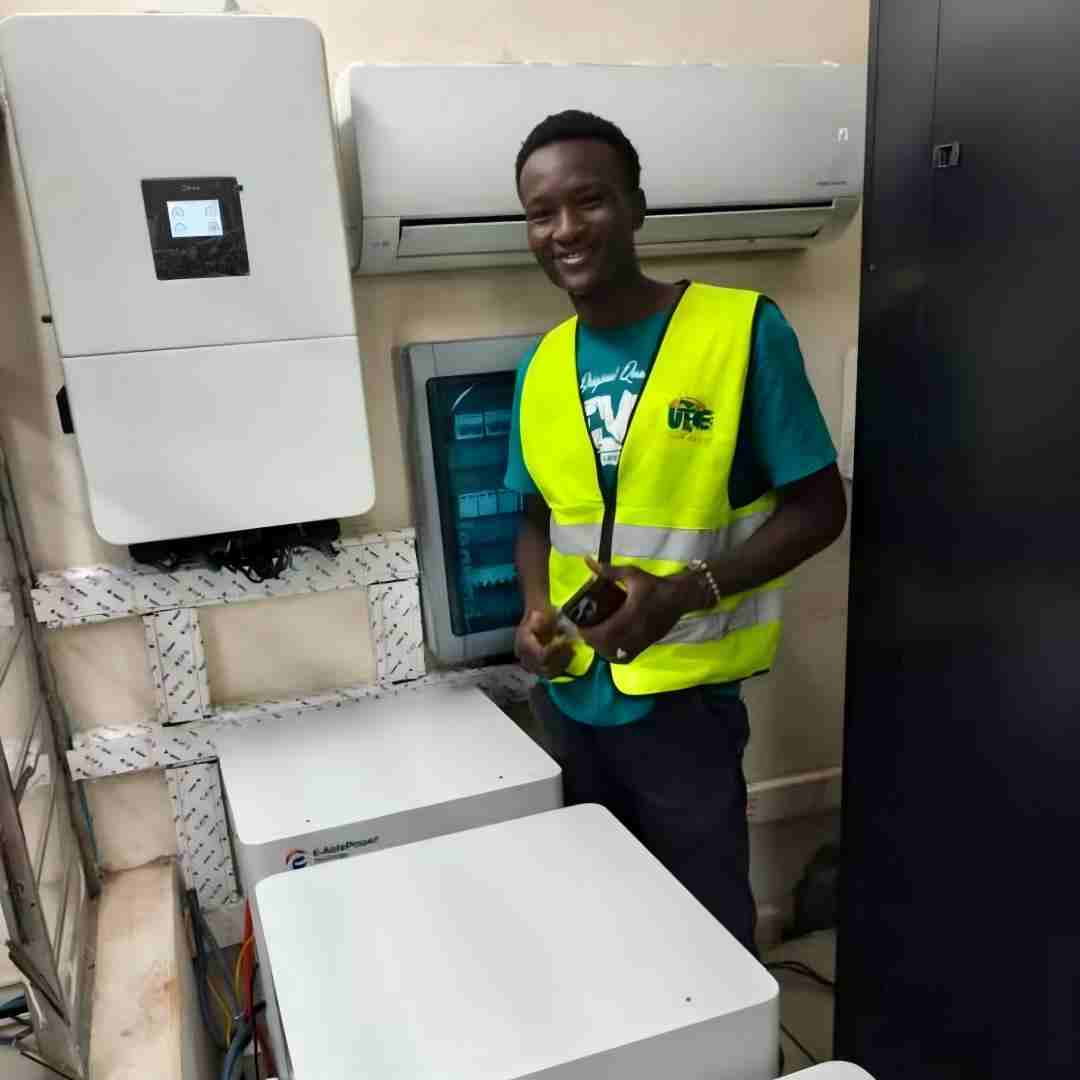
    36kW solar power system turnkey delivery case - E-Able Power international project

    Related: GCB-C1200 1.2MWh · GCB-C2400 2.4MWh

  • Q How does a solar-plus-storage system reduce electricity costs?

    A

    Three money-saving mechanisms

    • Self-consumption: store daytime solar surplus and use it at night — reducing grid imports by 70–95%.
    • Peak shaving / TOU arbitrage: charge during low-tariff hours, discharge during peak-rate hours — cutting demand charges on commercial tariffs.
    • Backup value: avoid lost revenue and downtime during outages — the hidden cost that storage eliminates.

    Realistic payback expectations

    For a 30kW-class commercial system, typical payback ranges from 3–6 years depending on local tariffs and solar resource, after which the system generates free energy for the remaining 10+ years of battery life. Higher peak rates and demand charges shorten payback.

    <h4 #002856;margin:8px="" 0="" 6px;font-size:14px;"="" style="color: rgb(51, 51, 51); font-family: &quot;Segoe UI&quot;, Roboto, Helvetica, Arial, sans-serif; font-size: 15px;">How we calculate your savings

    Submit your electricity bills and tariff schedule — E-Able Power engineers model your specific savings with DIALux-grade accuracy, showing month-by-month expected cash flow before you commit.

    30kW hybrid solar power system cost savings case - E-Able Power commercial storage

    Related: GCB-E100 50kW/100kWh · GCB-E240 125kW/241kWh

  • Q What components are included in a complete hybrid solar power system?

    A

    Core components

    • Solar array: monocrystalline panels sized to the load (e.g., 20kW in our case reference).
    • Hybrid inverter: bidirectional DC-AC conversion with on-grid/off-grid modes.
    • Battery storage: LiFePO4 packs (GWR/GVR for small systems; GCB-E series for commercial).
    • BMS & EMS: cell-level battery management plus energy management for automated control.
    • Monitoring: remote portal and app for real-time generation, consumption, and SOC.

    Optional additions

    Backup sub-panels for critical loads, generators for extended outages, EV chargers, and weather stations for adaptive energy dispatch.

    What E-Able Power provides

    Batteries, BMS, EMS, and full system engineering — the inverter and solar array are matched to your local requirements and sourced with project approval. Every system is configured per site before delivery.

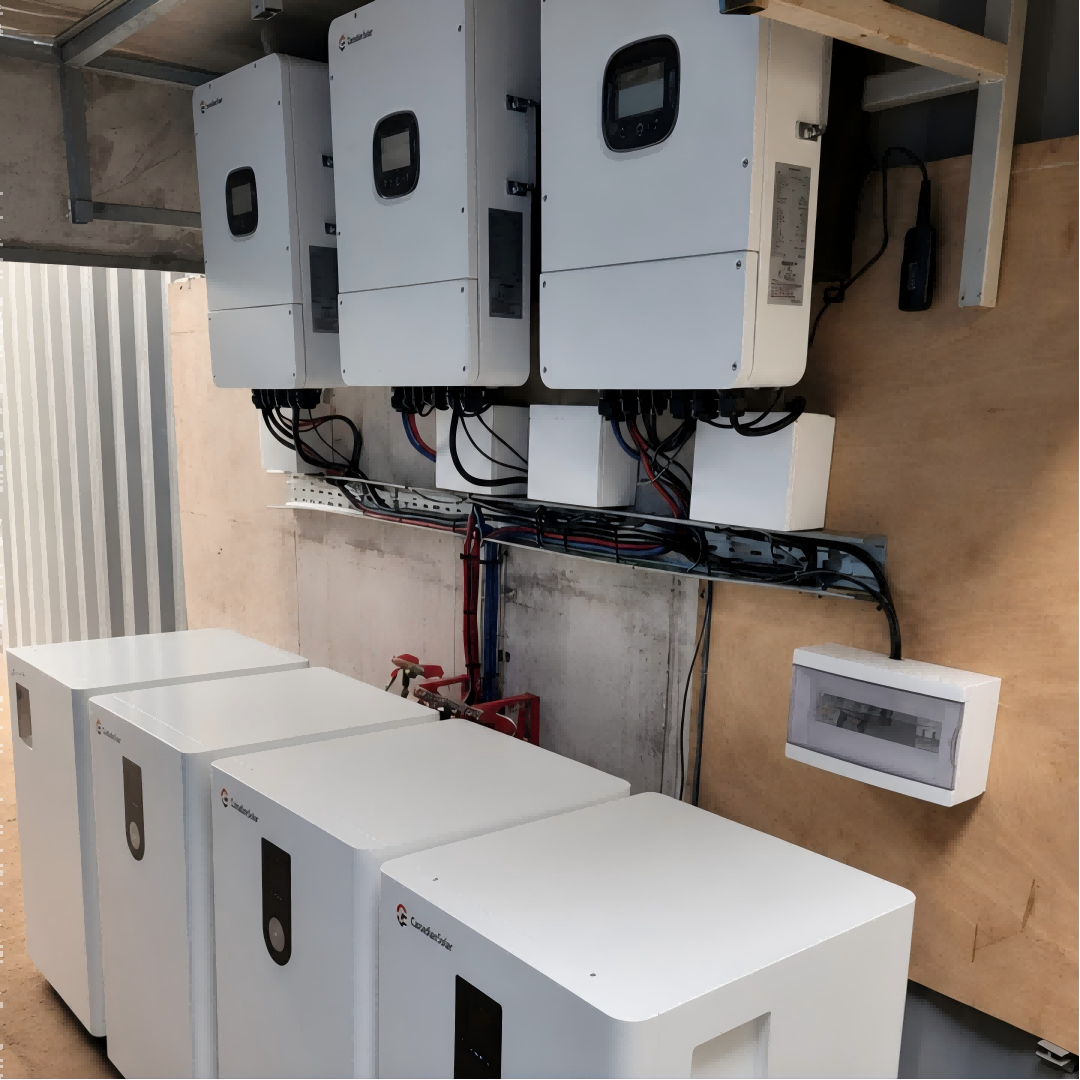
    20kW hybrid solar power system components case - E-Able Power solar plus storage

    Related: GCB-E50 50kW/50kWh · GLR-314 Stackable Module

  • Q How long does it take to install a solar-plus-storage system?

    A

    Typical installation timeline

    For a residential or small commercial system such as the 10kW installation shown in our case photos, on-site installation typically completes in 1–3 days: day one for solar array mounting and wiring, day two for inverter and battery connection, and day three for commissioning and monitoring setup.

    What determines the schedule

    • Roof or ground-mount solar array size and complexity
    • Battery capacity (GWR 5–10kWh wall-mount is fastest; GVR 15–32kWh floor-stand adds half a day)
    • Site access, cabling distance, and local permit requirements
    • Whether grid-tied (utility inspection needed) or off-grid (no inspection)

    Who does the installation

    E-Able Power supports local certified installers with complete documentation, wiring diagrams, and remote commissioning guidance. For turnkey projects, we coordinate installation teams in target regions and supervise remotely.

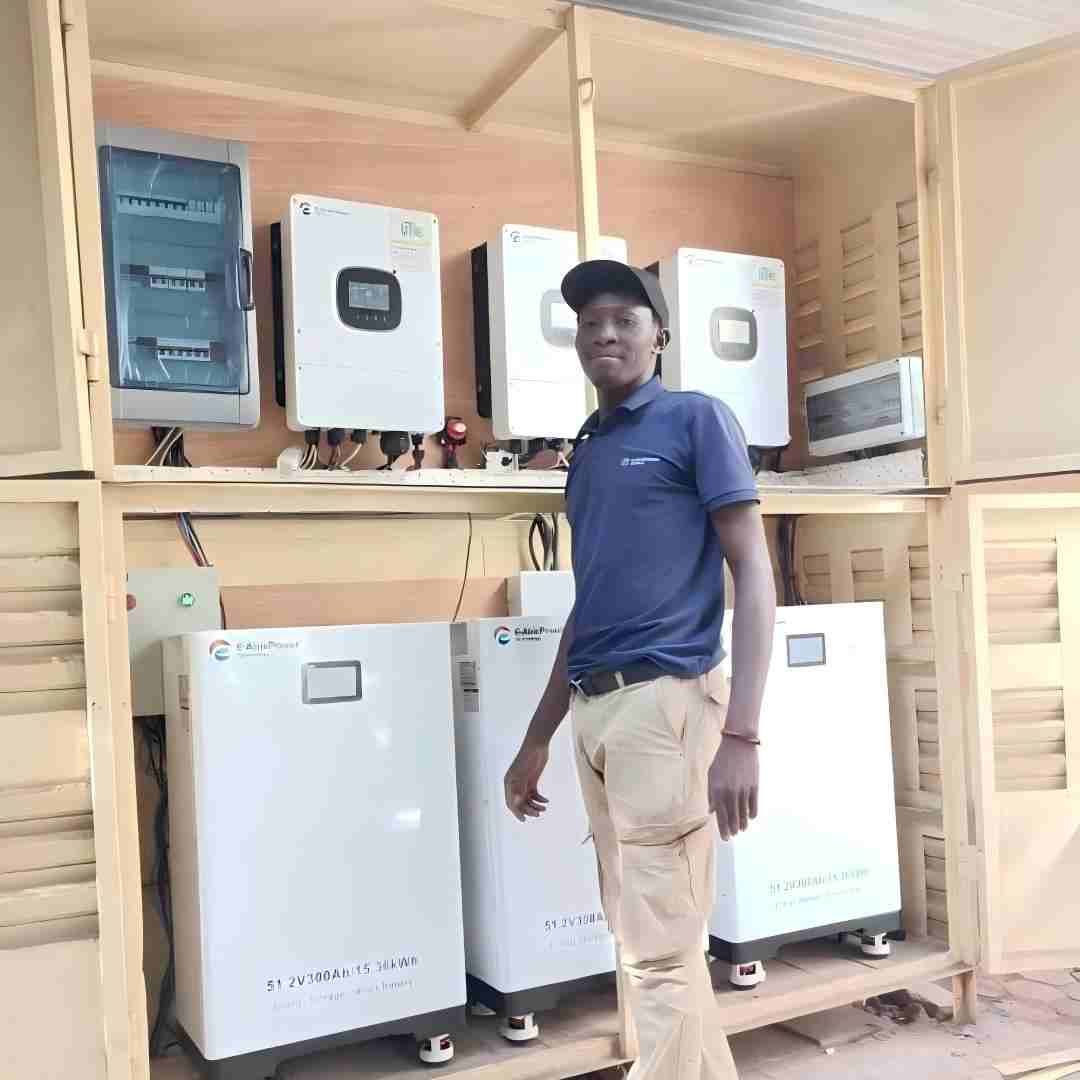
    10kW solar power system installation case - E-Able Power hybrid solar energy storage project

    Related: GWR Wall-Mounted 5–10kWh · GVR Floor-Standing 15–32kWh

  • Q What site conditions and project process are required for a BESS installation?

    A

    Site conditions


    • Foundation: level concrete pad or platform (approx. 1200×800mm footprint per E-series cabinet).
    • Ventilation: adequate airflow and clearances for the integrated HVAC system.
    • Compliance: local electrical codes, fire regulations, and (for grid-tied mode) utility interconnection rules.
    • Placement: indoor or sheltered outdoor — IP54 rating covers both.

    Project process — 5 steps


    1. Submit load profile, utility tariff, solar plan, and backup requirements.
    2. Receive a complete technical proposal (capacity, operating mode, protection design) within 2–3 business days.
    3. Confirm configuration and place the order.
    4. Factory integration, quality testing, and delivery.
    5. Commissioning support with complete documentation.

    What we need from you


    Installation space dimensions, cable routes, local code requirements, fire strategy, ambient conditions, and commissioning scope — these are confirmed before order so the delivered system is project-ready, not a generic off-the-shelf unit.

    Timeline


    Proposal in 2–3 business days; production typically 2–4 weeks depending on configuration; on-site commissioning 1–3 days with our technical team's remote support.

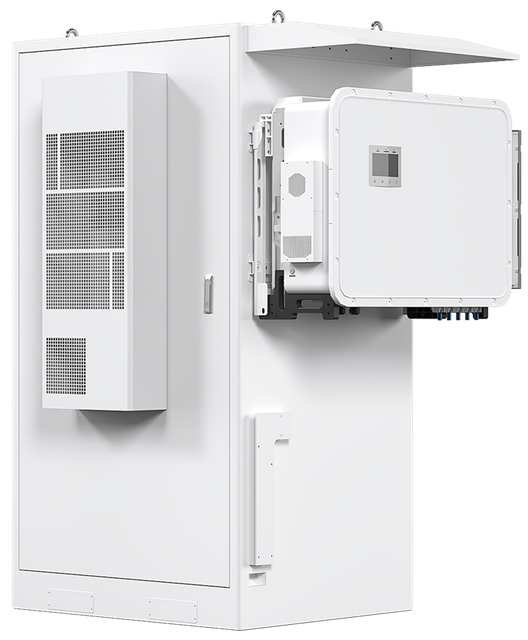
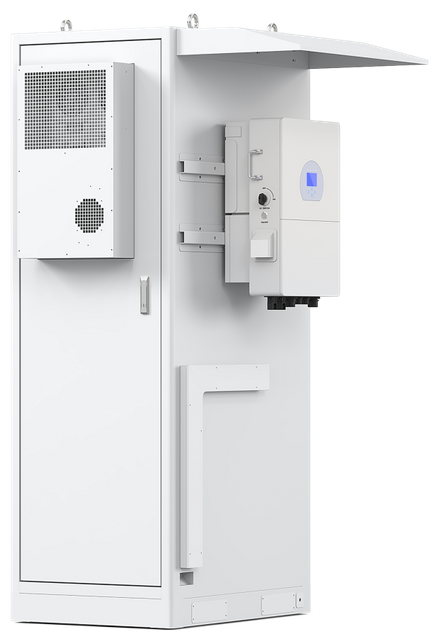
    GCB-E240 commercial industrial energy storage cabinet 125kW 241kWh outdoor

    Related: GCB-E240 125kW/241kWh · GCB-E50 50kW/50kWh

  • Q Which E-Able Power storage product suits a home or small business?

    A

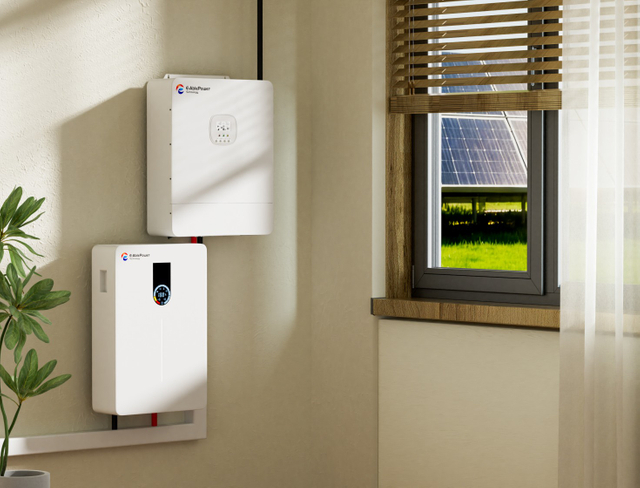
    GWR Series — wall-mounted (5kWh–10kWh)

    Slim, space-saving units ideal for homes, small offices, and retail shops. Mounts flat against a wall, integrates with existing solar PV, and covers overnight loads with a compact footprint.

    GVR Series — floor-standing (15kWh–32kWh)

    Larger vertical cabinets for bigger homes, small factories, and telecom backup. Higher capacity per footprint, with the same Grade A LiFePO4 chemistry and integrated BMS.

    How to size for solar self-consumption

    A typical household with 5–10kW of solar PV pairs well with a 10–20kWh GWR/GVR system to achieve 80–95% self-consumption and overnight backup coverage. Small commercial sites with daytime-heavy loads can size down, while evening-heavy loads (restaurants, bakeries) size up.

    Installation

    Zero grid-connection permit in most regions; wall-mount or floor-stand, connect to solar/inverter, and the BMS auto-manages charging and discharge. No trenching, no cabling work beyond the existing PV wiring.

    GWR series wall mounted LiFePO4 battery 5kWh-10kWh home energy storage

    Related: GWR Wall-Mounted 5–10kWh · GVR Floor-Standing 15–32kWh

  • Q What does a 6,000+ cycle LiFePO4 battery life actually mean?

    A

    What the 6,000-cycle rating means

    The 6,000+ cycle rating on E-Able Power systems (tested at 25°C, 0.5C charge/discharge, 80% depth of discharge) means the battery retains at least 80% of original capacity after 6,000 full discharge cycles.

    Translate cycles into years

    For a typical daily cycling operation — one full charge/discharge per day — 6,000 cycles equals approximately 16 years of service life, far beyond conventional lead-acid or lower-grade LFP cells.

    Why Grade A cells matter

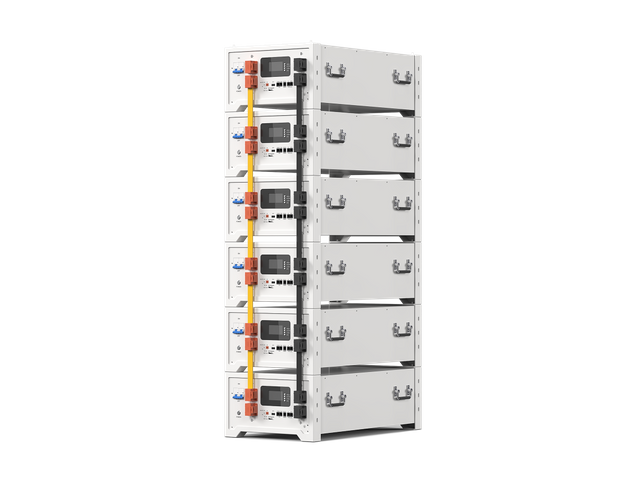
    Our modules (GLR-314 high-voltage stackable, GHR-314 3-stack rack) use Grade A prismatic cells (280Ah/314Ah, EVE-sourced) with cell-level BMS monitoring, thermal stability above 270°C, and zero-maintenance chemistry — no water, no electrolyte, no equalization required.

    Real-world lifespan vs. warranty

    With proper sizing to avoid deep daily cycling, real-world lifespan commonly exceeds the 5-year standard warranty by a wide margin. The user-replaceable battery further extends total system life beyond 15 years with a single scheduled swap.

    GLR-314 high voltage stackable LiFePO4 battery module 16kWh-257kWh

    Related: GLR-314 Stackable Module · GHR-314 3-Stack Rack 241kWh

  • Q What is the difference between a BESS cabinet and a containerized ESS?

    A

    BESS cabinets — distributed, fast-deploying

    The GCB-E series (50kWh–241kWh) are factory-integrated all-in-one enclosures combining battery modules, PCS, BMS, EMS, HVAC, and fire suppression in a single IP54 unit. They suit commercial buildings, factories, and EV charging hubs where space is limited — indoor or outdoor placement, typically commissioned in days.

    Containerized systems — centralized, utility-scale

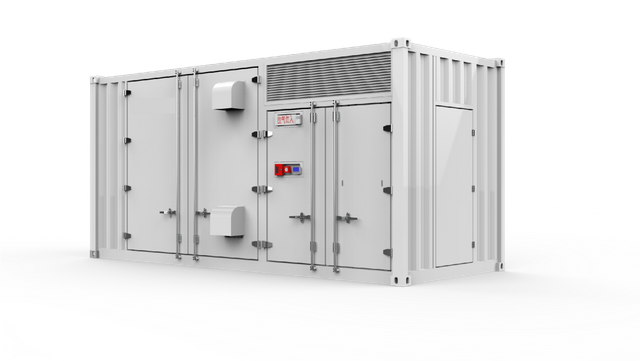
    The GCB-C1200 (500kW/1.2MWh) and GCB-C2400 (1MW/2.4MWh) are 20ft/40ft container solutions engineered for utility-scale projects, large C&I parks, microgrids, and renewable integration where multi-MWh capacity is needed on one site.

    What they share

    • Grade A LiFePO4 cells (280Ah/314Ah) with 6,000+ cycle life
    • Cell-level BMS, EMS control, HVAC thermal management, fire suppression
    • Factory integration and testing before delivery; 5-year standard warranty

    Which to choose

    Distributed cabinets for behind-the-meter commercial projects; containers for front-of-meter or large-scale centralized storage. E-Able Power engineers recommend the configuration from your site plan and load data.

    GCB-C1200 utility scale ESS container 500kW 1.2MWh

    Related: GCB-C1200 500kW/1.2MWh · GCB-C2400 1MW/2.4MWh · GCB-E100 Cabinet

  • Q How do I choose the right capacity for my C&I energy storage project?

    A

    1. Start with your load profile

    Capacity selection always begins with data: your monthly electricity bills, 15-minute interval load curves, and the tariff structure you pay. From these we determine your peak demand (kW — decides inverter power) and your daily energy consumption pattern (kWh — decides battery capacity).

    2. Match the project scale to a cabinet size

    • GCB-E50 — 50kW / 50kWh: small commercial loads, shops, small workshops, ~2h peak shifting or backup.
    • GCB-E100 — 50kW / 100kWh: medium facilities, offices, light manufacturing — the most popular mid-size configuration.
    • GCB-E240 — 125kW / 241kWh: industrial plants, cold storage, EV charging hubs with heavy demand.

    3. Apply the 2–4 hour sizing rule

    For peak shaving or backup coverage, size the battery for 2–4 hours of rated discharge at your critical load. Longer durations multiply cost without proportional value in most tariff markets.

    4. Get a free engineering proposal

    Send your load profile, utility tariff, and solar plan to E-Able Power — we return a confirmed capacity, operating mode, and protection design within 2–3 business days, free of charge.

    GCB-E100 commercial energy storage cabinet 50kW 100kWh all-in-one BESS

    Related: GCB-E50 50kW/50kWh · GCB-E100 50kW/100kWh · GCB-E240 125kW/241kWh

E-Able Solar is a prominent Chinese manufacturer of solar lighting and commercial energy storage systems, offering All-in-One and All-in-Two solar street lights, Split solar street lights, Solar Garden Lights, and C&I to utility-scale LiFePO4 energy storage solutions (50kW to 1MW+).

QUICK LINKS

PRODUCTS

CONTACT US
   +86-15355589600
    sales@e-ablepower.com
   Building C, Huiheng Industrial Park, No. 3 Fenghuang West Road, Shajiao, Humen Town, Dongguan City, Guangdong Province
Copyright © 2026 E-Able Power All rights reserved.