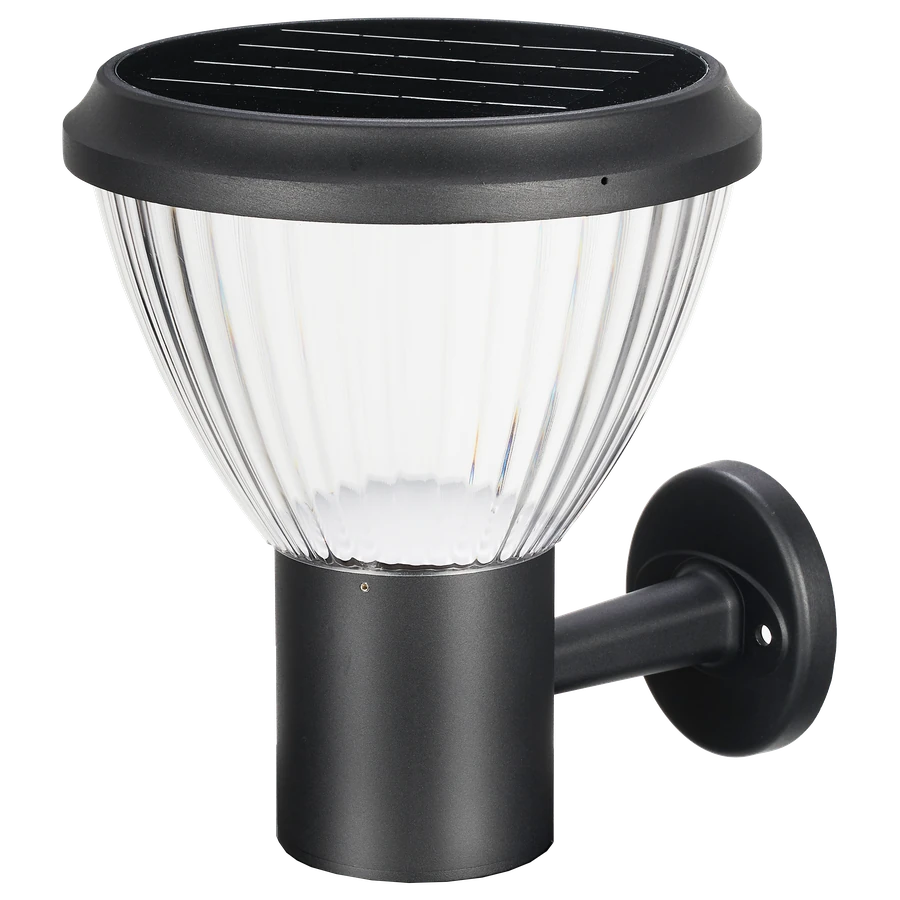
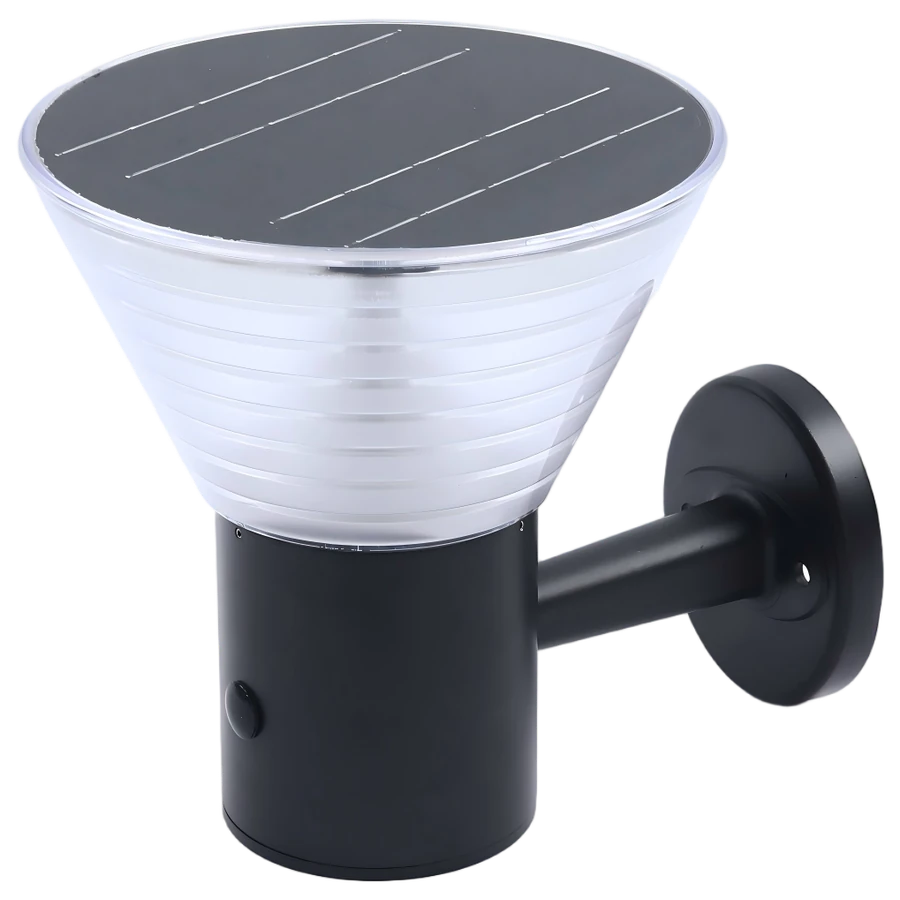
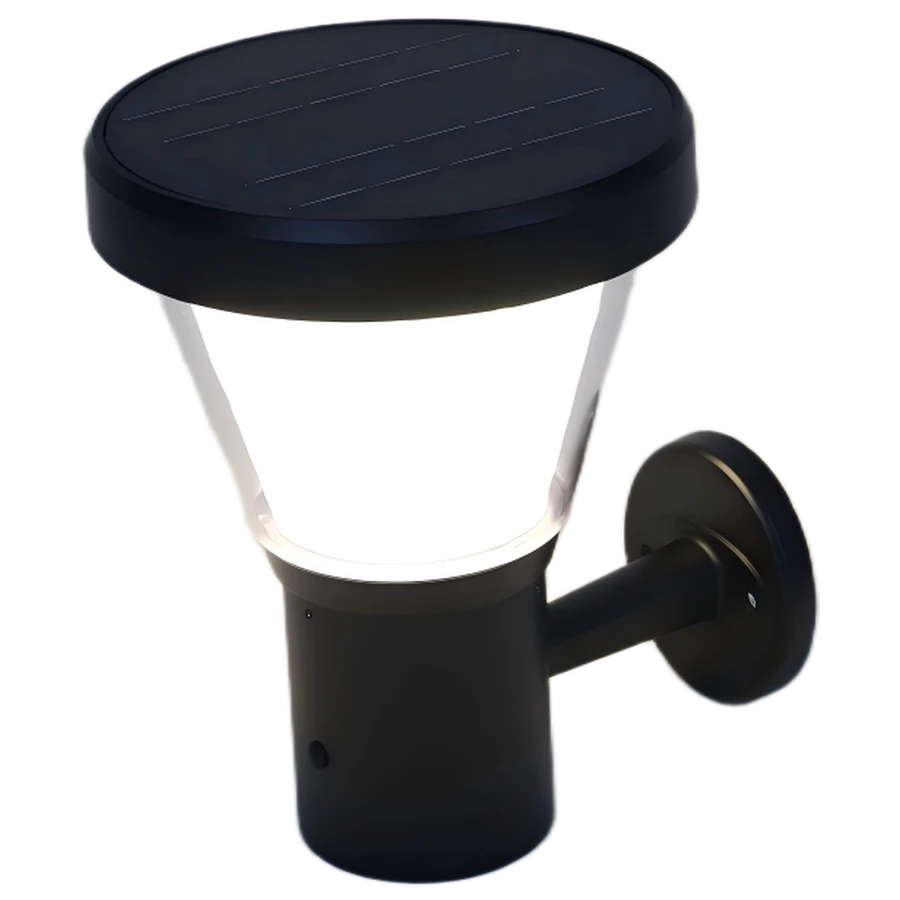
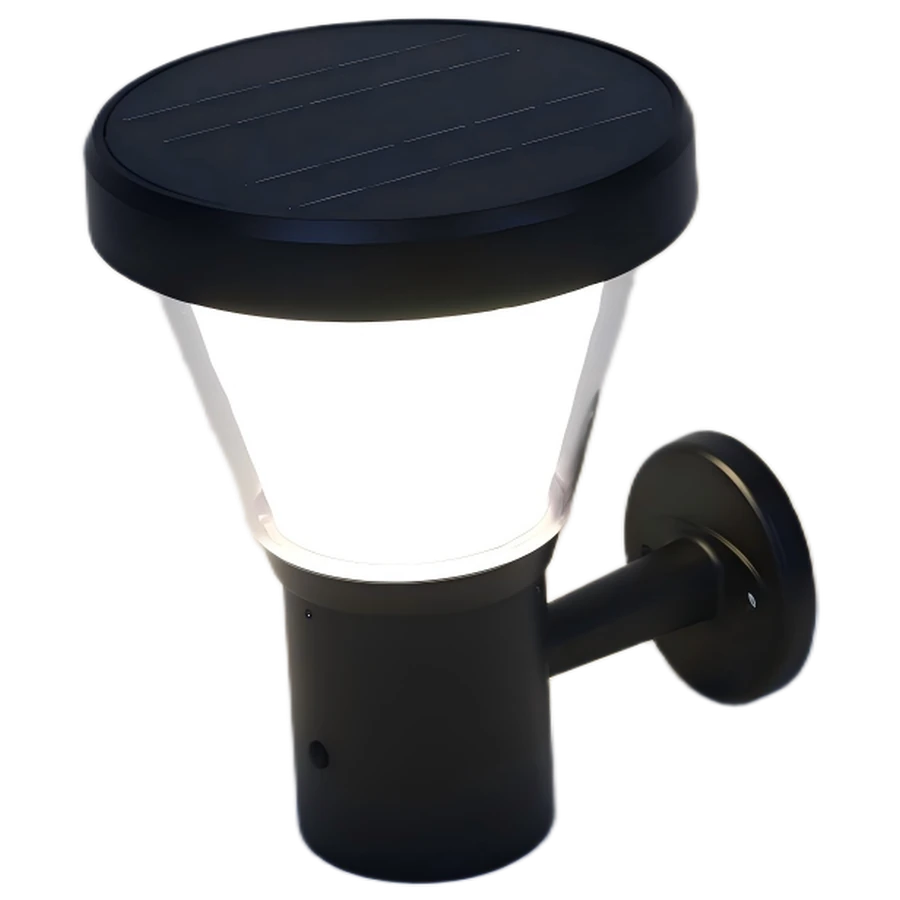
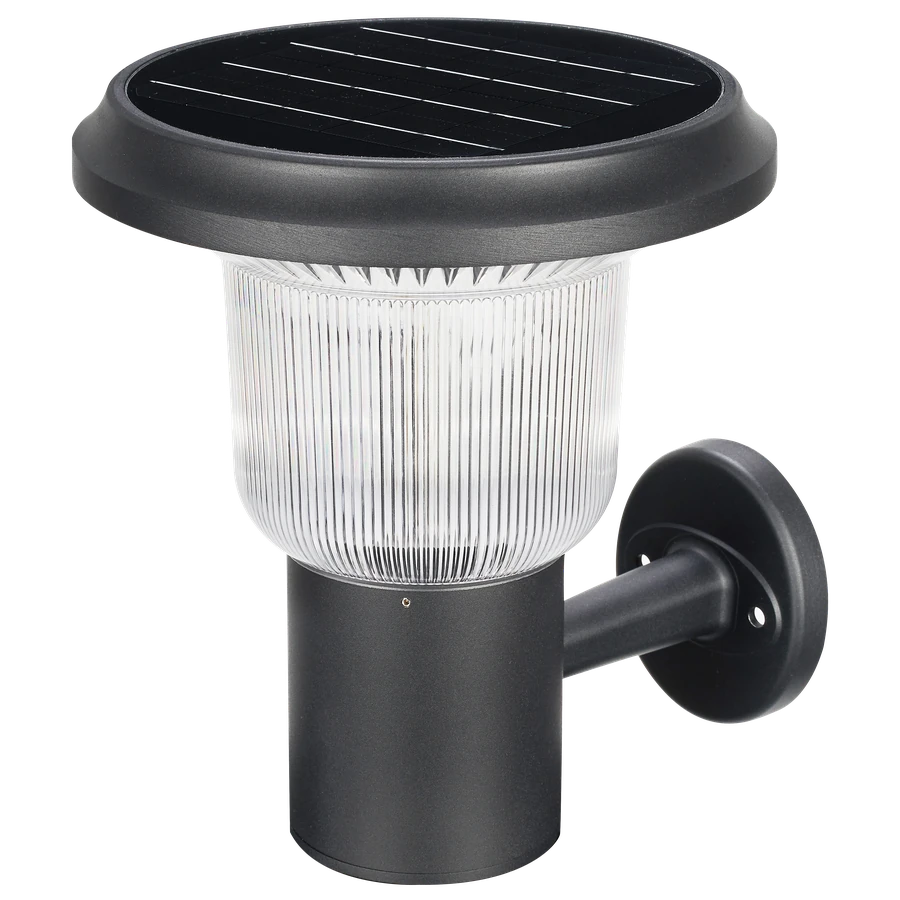
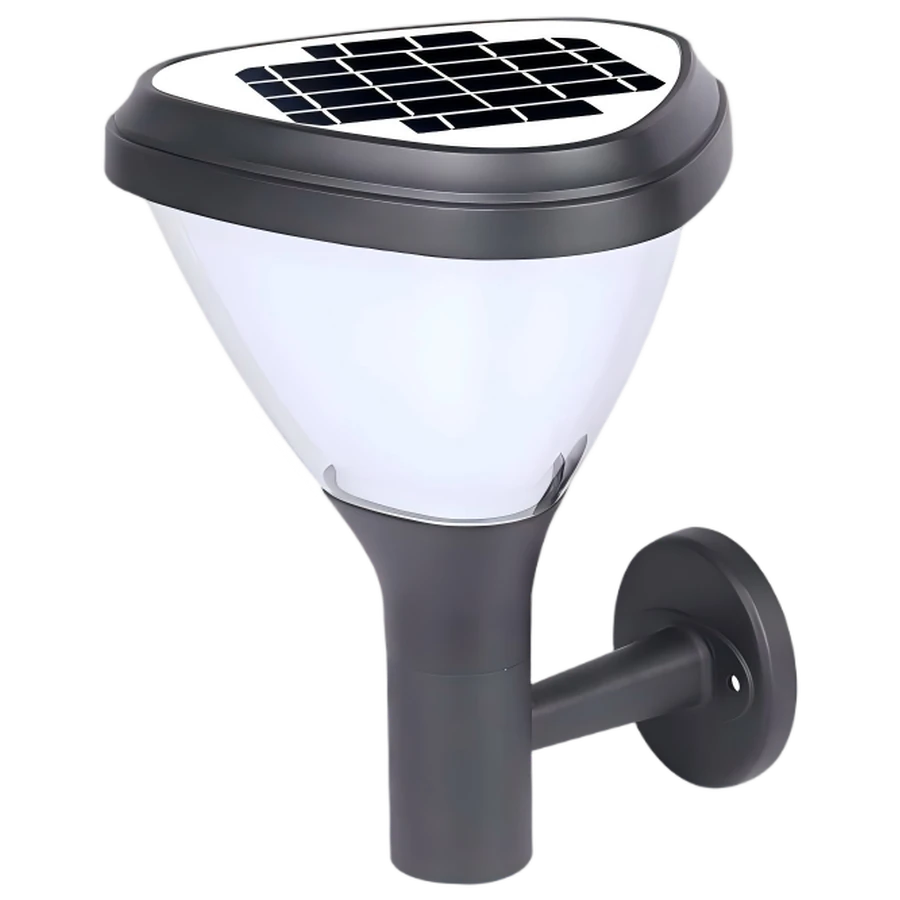
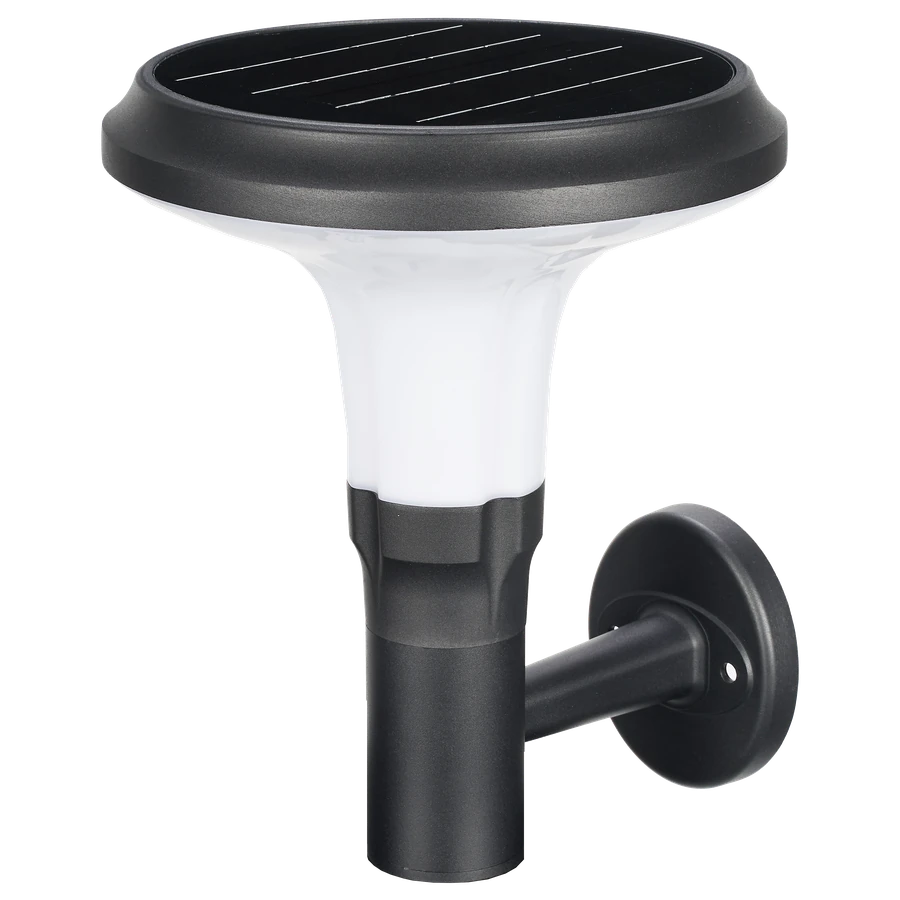
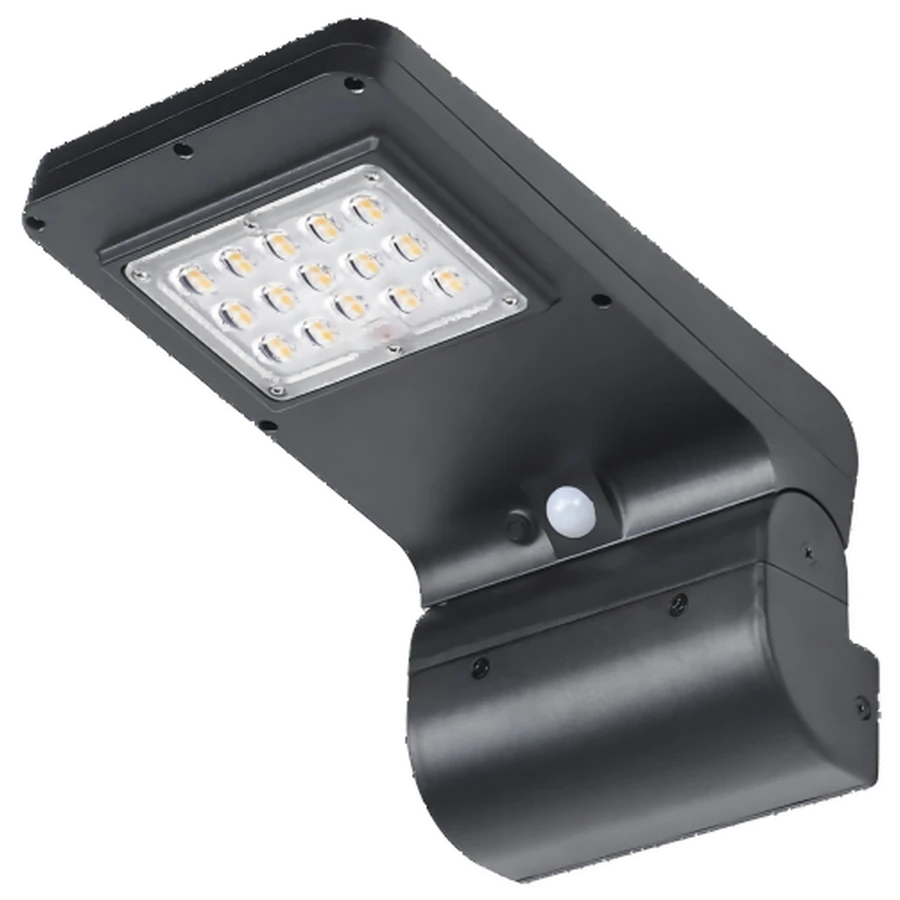
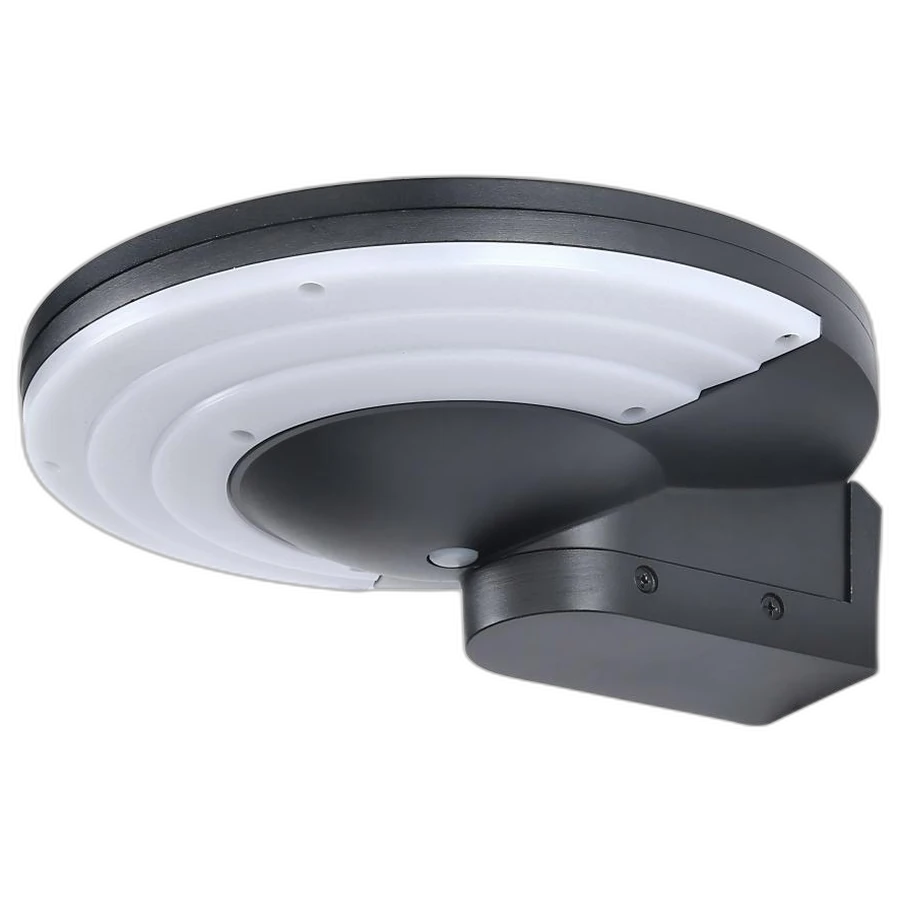
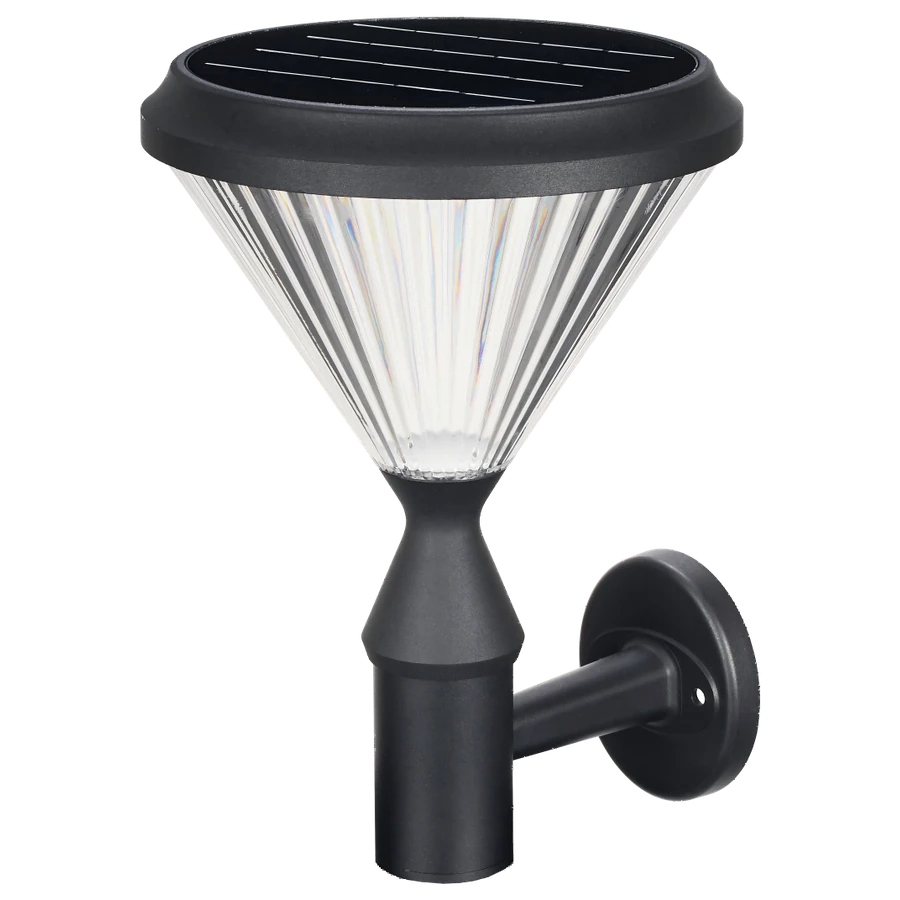
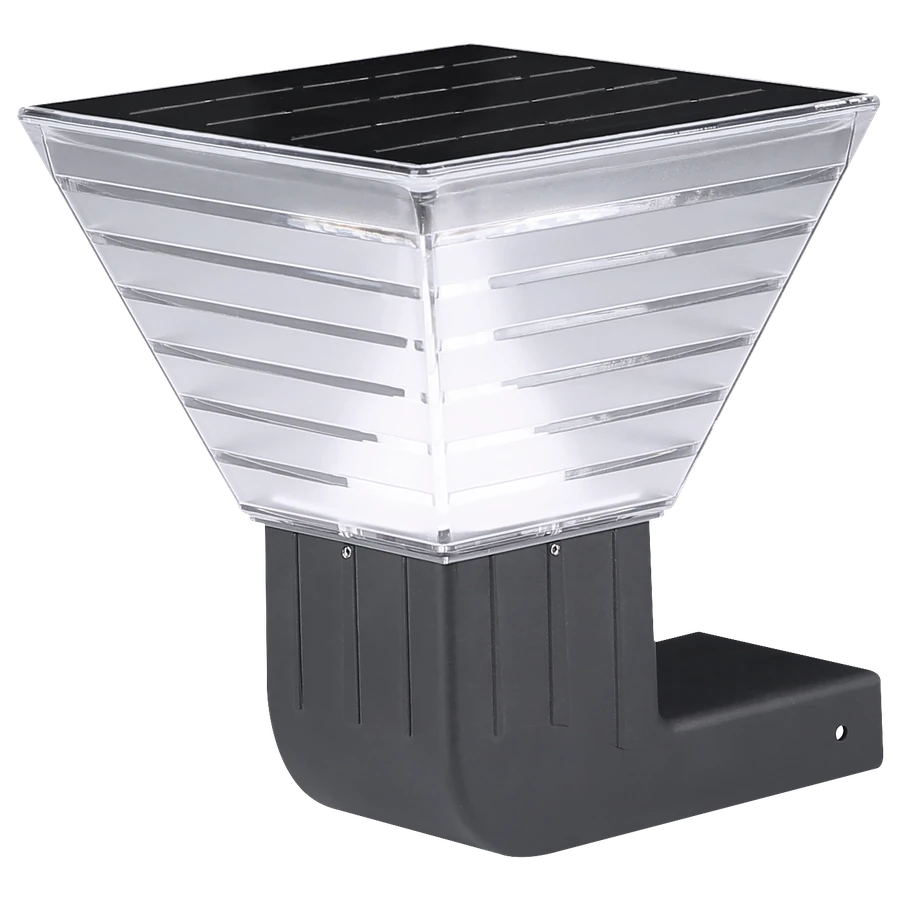
Solar wall sconces that bring warm, controllable accent lighting to facades, walls and entrances with no wiring or trenching. Weatherproof housings and efficient LEDs keep the look clean.
PRODUCTCommercial Solar Wall Sconces | Architectural Exterior Lights
TYPESOLAR GARDEN LIGHTING
SUPPORTOEM / ODM
WARRANTY5 Years
Solar wall sconce range
Wall sconces and pillar lights engineered in-house with Grade A LiFePO4 batteries, IP65-rated die-cast aluminum housings and intelligent dusk-to-dawn controllers — automatic off-grid illumination for gateways, façades and boundary walls.
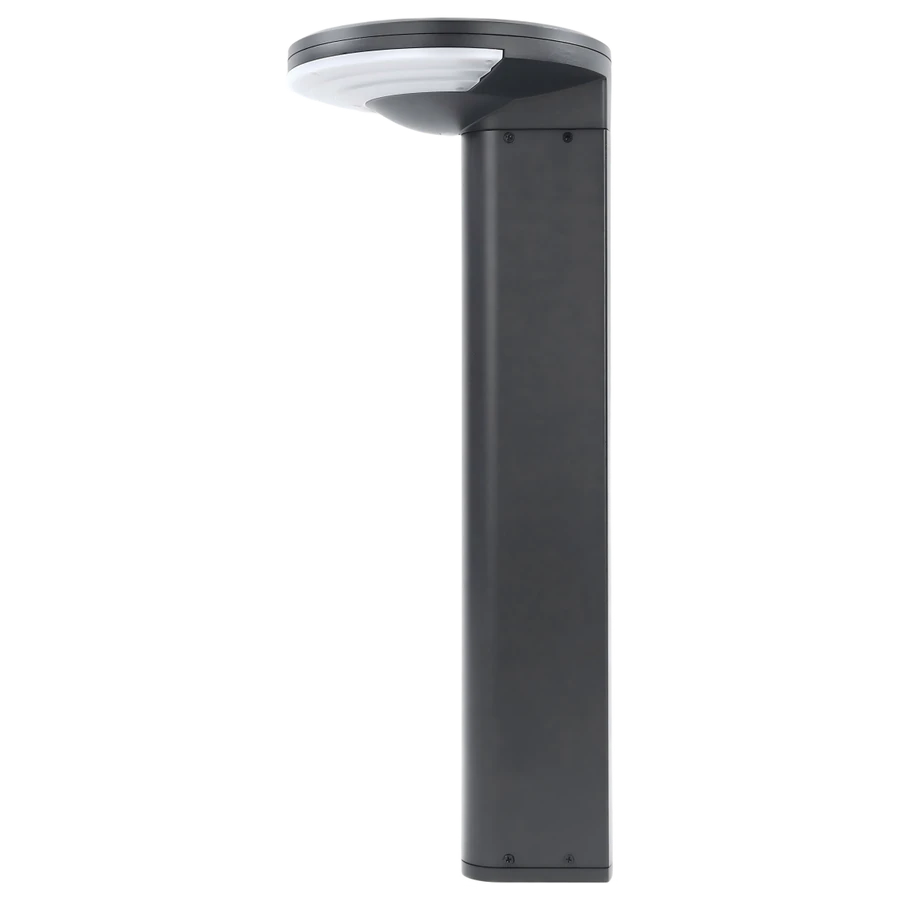
ZC-CPD-8804: 4.5W / 5V panel, 3.2V / 6000mAh battery, 40 pcs, φ257 mm × 110 mm × 60 mm (600/800/1000 mm). For facades, entries and garden walls.
READ PRODUCT BRIEF +
Rated power: 4.5W
Solar panel: 4.5W / 5V
Battery: 3.2V / 6000mAh
Input voltage: DC 3.2V
Working time: 3 – 5 rainy days
Light source: 2835 LED (40 pcs)
Lamp colour: Black; other colours can be customised
IP rating: IP65
Project-ready solar lighting
Factory-direct manufacturing
Engineered and produced in-house with Grade A LiFePO4 cells, IP-rated housings and intelligent controllers.
Configured to your site
Wind resistance, lux levels, autonomy and mounting height optimized for your project conditions and climate.
OEM / ODM customization
Custom branding, housing, materials and configurations developed to match your product line and market.
A wall light has no cable to fall back on.
A wall-mounted solar fixture is the simplest product we make and the one most often installed badly. There is no cable to compensate for a shaded panel: whatever the wall gives the panel in a day is what the fixture has to run on that night.
That is why the specification work happens before the order, not after. Two things decide the outcome: how much panel area the wall can see the sun with, and how much reserve the fixture carries for the days when it cannot.
Reading the range: what actually changes across 12 models.
The wall sconce range spans twelve models, and the differences are narrower than the model count suggests. Three variables do the work.
Panel. Most models use a 4.5 W panel at 5 V; two models use a 5 W panel. The difference is small, and it is not the variable that decides whether a site works.
Battery. The range splits between 3.2 V / 6,000 mAh and 3.2 V / 8,000 mAh packs. This is the number to read when the site has trees, a north-facing wall, or a cloudy season.
Output character. Some models are specified for high colour rendering, others for higher output. Warm retail facades and hospitality walls usually want the first; service corridors and parking edges usually want the second.
Every model is IP65 and wall-mounted. Housings and beam patterns differ, which is what most of the twelve model numbers actually represent.
Mounting is the part that decides whether it works.
A solar wall light cannot be re-aimed after installation the way a ground-mounted fixture can. The panel faces wherever the wall faces, permanently. Before choosing a model, walk the wall at the hour the fixture will charge.
Mount between roughly 1.8 m and 2.2 m above the walking surface: high enough to clear heads and vehicles, low enough that the panel is not under an eave.
Keep the panel clear of overhangs, window reveals and signage. A 300 mm bracket that moves the fixture out from under an eave often does more than a larger panel.
Check the fixing substrate, not just the wall finish. Render over block, tile over brick, and timber cladding all take different anchors.
Leave access for cleaning. A panel that cannot be reached will stop being cleaned within a season.
Coastal, cold and shaded sites.
IP65 covers rain and washdown, not salt spray chemistry. On coastal walls the finish and the fixings age faster than the electronics, so specify the fixing material to the exposure, not to the budget.
Cold weather reduces the usable capacity of any lithium pack, and a wall in permanent shade never recovers the deficit. Both cases point at the same answer: take the 8,000 mAh model, or reduce the nightly run time.
What to send us for a quote.
Five lines are enough for us to recommend a model rather than a price list.
Wall orientation and the nearest obstruction, with a photo taken from the wall.
Mounting height and the substrate: masonry, render, tile or cladding.
Desired nightly run time, and whether the fixture should dim or switch off after a set hour.
Quantity, and whether the order repeats seasonally.
Finish and colour requirements, plus any colour-rendering requirement from the lighting designer.
Questions we get on wall sconce orders.
Can it go on a wall that faces away from the sun?
It can be installed, but it will not perform. A wall in permanent shade should use a remote-panel fixture instead of an integrated sconce.
Which model should I pick when two look identical?
Pick on battery capacity first, then on the output character. If both matter and the budget only allows one, say so and we will tell you which trade-off is smaller for your site rather than quoting both.
Is any maintenance needed?
Wipe the panel and the diffuser when they are visibly dull. There is no wiring to inspect and no filter to change.
Compare the range at a glance.
Every value below is taken from the individual product page; nothing is estimated. Open a model for its full datasheet.
Model
Lumen output
Solar panel
Battery
Size (mm)
IP rating
ZC-BD4001 Solar Wall Light
high CRI output
5V / 4.5W
3.2V / 8000mAh
φ260 mm × H310 mm
IP65
ZC-BD3001 Solar Wall Light
high CRI output
5V / 4.5W
3.2V / 6000mAh
φ230 mm × H275 mm
IP65
ZC-BD2106-2 Solar Wall Light
high CRI output
5V / 4.5W
3.2V / 8000mAh
φ240 mm × H320 mm
IP65
ZC-BD2106-1 Solar Wall Light
high CRI output
5V / 4.5W
3.2V / 8000mAh
φ240 mm × H450 mm
IP65
ZC-BD1104 Solar Wall Light
high CRI output
5V / 4.5W
3.2V / 8000mAh
φ260 mm × H300 mm
IP65
ZC-BD2104 Solar Wall Light
high CRI output
5V / 4.5W
3.2V / 8000mAh
φ260 mm × H360 mm
IP65
ZC-BD1004 Solar Wall Light
high CRI output
5V / 4.5W
3.2V / 8000mAh
φ260 mm × H330 mm
IP65
ZC-BD1006 Solar Wall Light
high output
5V / 5W
3.2V / 8000mAh
235 × 150 × H130 mm
IP65
ZC-BD1008 Solar Wall Light
high output
5V / 4.5W
3.2V / 6000mAh
φ237 mm × H80 mm
IP65
ZC-BD4005 Solar Wall Light
high CRI output
5V / 4.5W
3.2V / 8000mAh
φ260 mm × H370 mm
IP65
ZC-BD6001 Solar Wall Light
high CRI output
5V / 5W
3.2V / 6000mAh
200 × 200 × H240 mm
IP65
CPD-8804 Solar Pillar Light
high CRI output
4.5W / 5V
3.2V / 6000mAh
φ257 mm × 110 mm × 60 mm (600/800/1000 mm)
IP65
Installation: what a wall fixture needs that a pole does not
A wall sconce inherits the wall's problems: shade, heat and the wrong side of the building.
The first question is orientation, and it is often fatal to the project. A sconce on a north-facing wall in the northern hemisphere will not charge, no matter how large the panel. Where the desired lighting position and the sun are on opposite sides of the building, a remote panel or a different fixture is the honest answer.
The second is cable routing inside the wall. Retrofitting a sconce means running a cable through existing masonry; if the wall cannot take the route, the installation cost doubles.
The third is heat. A dark wall in direct sun can exceed the ambient temperature by 15 °C or more, and a sealed fixture on that wall runs hotter than the same fixture on a pole. Ventilation clearance at the top of the housing is part of the specification, not an installation preference.
Battery: the smallest part with the biggest failure rate
In a wall fixture the battery is the component that decides the service life.
Wall sconces carry small packs, typically 3.2 V or 12 V LiFePO4 in the 2–20 Ah range. Small packs are more sensitive to temperature and to depth of discharge than large ones, because a single cold night removes a larger share of their capacity.
Two practical rules follow. Specify a pack sized for the worst month, not the average, and keep the fixture's dimming profile conservative in winter. And ask what the replacement procedure is: a sconce whose battery cannot be changed without removing the whole fixture from the wall becomes a disposable product.
Lumen output: what the number hides
A wall fixture's output is usually quoted at the LED, not at the wall.
Lumen figures for sconces are often measured at the source, before the diffuser and the housing lose part of it. What reaches the wall is lower, and how much lower depends on the optic and the shield — which is why two fixtures with the same lumen rating can look completely different on the same wall.
For decorative lighting this matters less than the pattern: an up-and-down wash, a single downward throw and a wide symmetrical spread all serve different purposes. Ask for the light distribution drawing rather than comparing lumen numbers between products.
Frequently asked questions
Answers to common questions about solar wall sconces for facades, walls, entries and boundary lighting — compact power, mounting, control and lamp style.
1
What is a solar wall sconce?
+
A solar wall sconce is a compact off-grid exterior light mounted on a wall, facade or boundary. A small built-in monocrystalline solar panel charges a LiFePO4 battery and a dusk-to-dawn photocell switches the LED fixture on automatically at night — so it lights an entry, wall or garden area with no wiring or trenching.
2
Where is a solar wall sconce best used?
+
Wall sconces suit facades, entrances, porches, gateways, garden walls and boundary fences where an attractive, low-maintenance accent light is wanted. They are ideal for retrofit projects because there is no need to route mains power through the wall.
3
How bright are solar wall sconces?
+
Wall sconces are accent fixtures, typically delivering a warm, controlled beam for close-range architectural lighting. They are designed for decorative glow and wayfinding rather than large-area illumination. Choose a bollard or post top light where higher output is needed.
4
Do solar wall sconces need direct sunlight to charge?
+
The solar panel charges best in direct sun but still works on overcast days by charging at a lower rate. Battery capacity (commonly 8000mAh) and dusk-to-dawn control ensure a night of operation, with multi-day autonomy in cloudy weather.
5
Are solar wall sconces waterproof and safe?
+
Yes. Wall sconces use IP65-rated weatherproof housings designed for outdoor walls and facades, with Grade A LiFePO4 cells that provide thousands of charge cycles. As a low-voltage off-grid fixture there is no exposed mains wiring risk.
6
Can E-Able Power customise a solar wall sconce for my project?
+
Yes. E-Able Power configures wall sconces factory-direct — choosing the luminaire profile, CCT, battery capacity, finish and OEM/ODM branding to match a facade or landscape design, with project support and sizing.
Send your site conditions, lighting requirements or load profile for a system engineered to your location — DIALux simulation, sizing and pricing within 2–3 business days.