E-ABLE POWER / ENERGY STORAGE / RESIDENTIAL

Residential LiFePO4 Battery Storage

Wall-mounted and floor-standing LFP batteries from 5.12kWh to 32.15kWh — SELV, 6,000+ cycles and simple installation for the home. Both series pair with hybrid inverters for backup and solar self-consumption.

Residential Energy Storage

Home batteries built on 51.2V SELV architecture — GWR wall-mount for smaller footprints and GVR floor-stand for higher capacity, both with broad inverter compatibility.

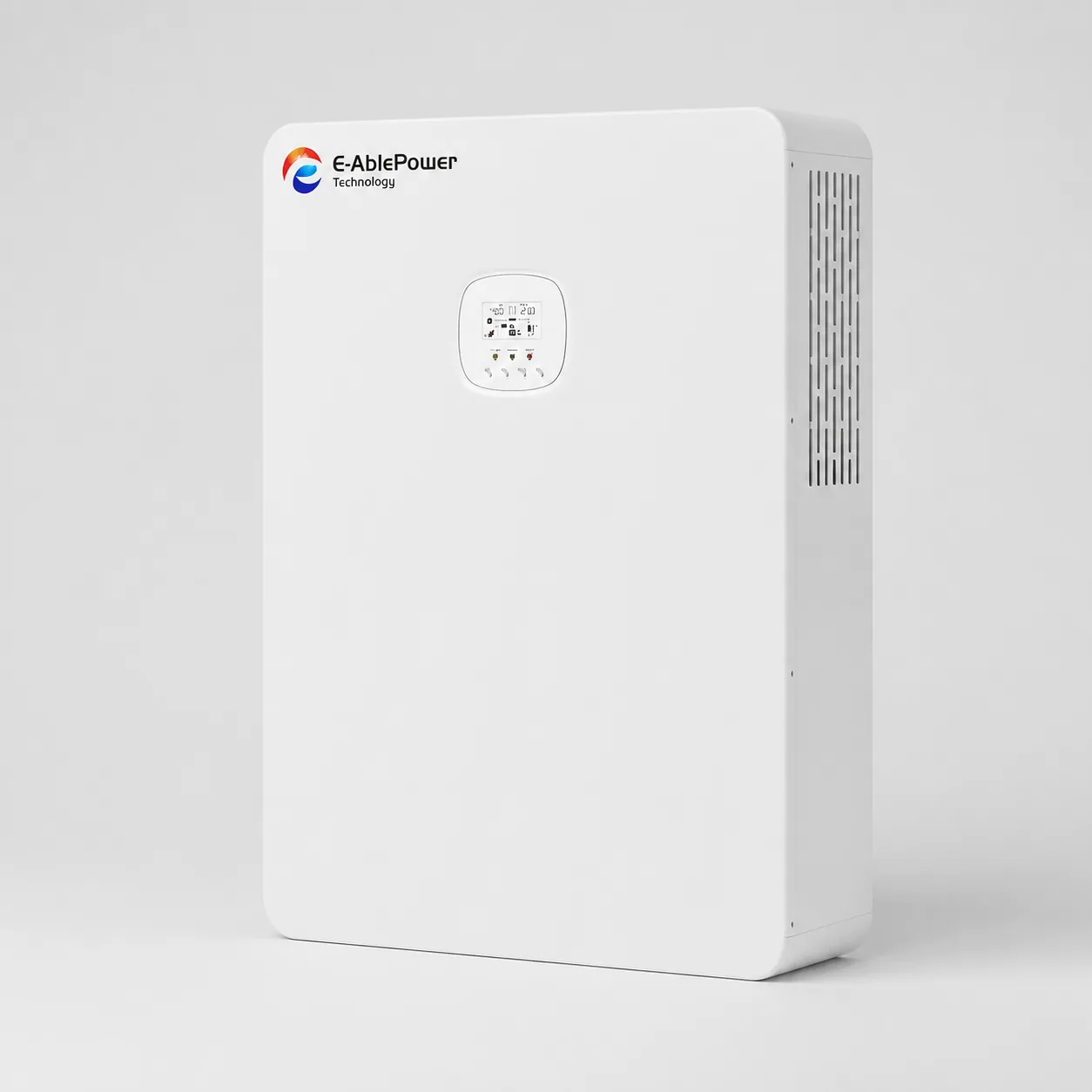
GWR Wall-Mount LiFePO4 Battery

RESIDENTIAL & COMMERCIAL

GWR Wall-Mount LiFePO4 Battery

Wall-mounted 5.12 – 10.24 kWh 51.2V LiFePO4 battery series for residential backup.

READ PRODUCT BRIEF +

Wall-mounted LFP battery from 5.12 to 10.24 kWh on a 51.2V low-voltage platform — slim wall unit, stackable and BMS-protected, pairing with hybrid inverters for home backup and solar self-consumption.

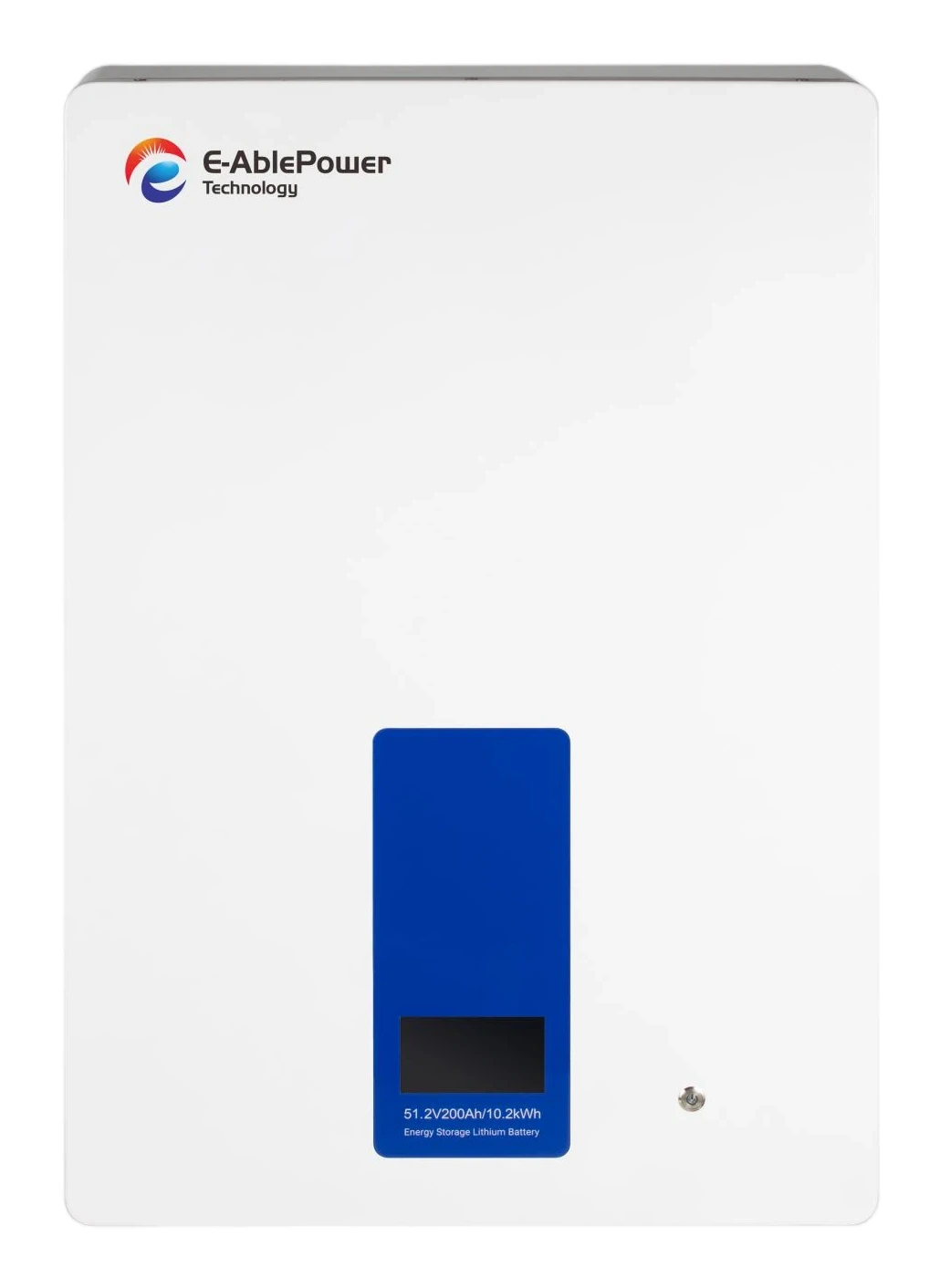
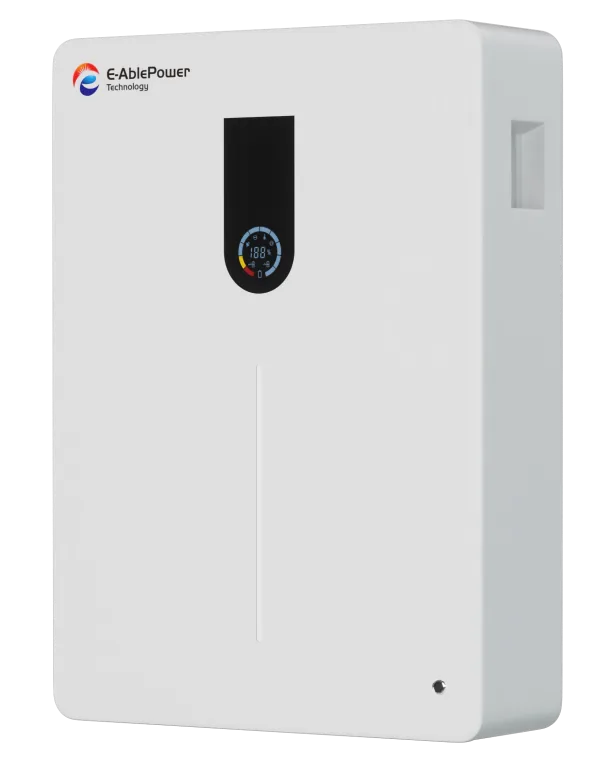
Wall-mounted 51.2V 200Ah LiFePO4 battery

RESIDENTIAL & COMMERCIAL

Wall-Mounted 51.2V 200Ah Lithium Battery

A wall-mounted 51.2V 200Ah lithium iron phosphate battery delivering 10.24kWh of clean storable energy for household, commercial and agricultural backup, with an intelligent BMS, touch LCD display and broad solar inverter compatibility.

READ PRODUCT BRIEF +

A wall-mounted 51.2V 200Ah lithium iron phosphate battery delivering 10.24kWh of clean storable energy for household, commercial and agricultural backup, with an intelligent BMS, touch LCD display and broad solar inverter compatibility.

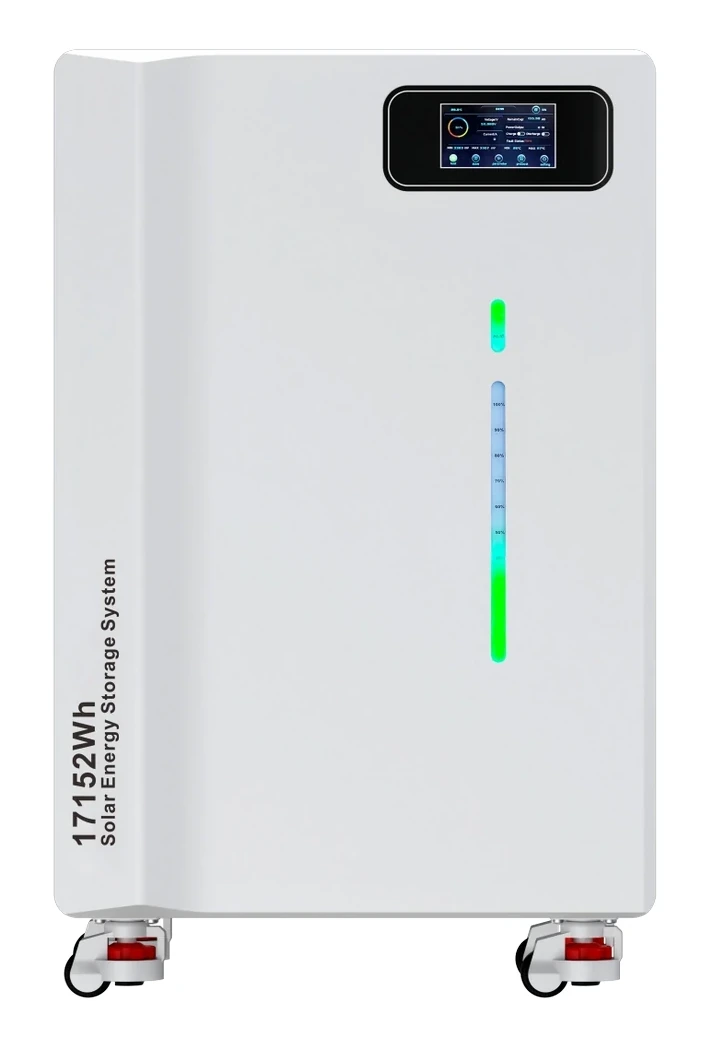
51.2V 335Ah 17.15kWh vertical LFP battery

RESIDENTIAL & COMMERCIAL

51.2V 335Ah 17.15kWh Vertical LFP Battery

A floor-standing 51.2V 335Ah LFP battery delivering 17.15kWh of clean storable energy for whole-home backup, solar self-consumption and off-grid sites, in a compact vertical footprint with an intelligent BMS.

READ PRODUCT BRIEF +

A floor-standing 51.2V 335Ah LFP battery delivering 17.15kWh of clean storable energy for whole-home backup, solar self-consumption and off-grid sites, in a compact vertical footprint with an intelligent BMS.

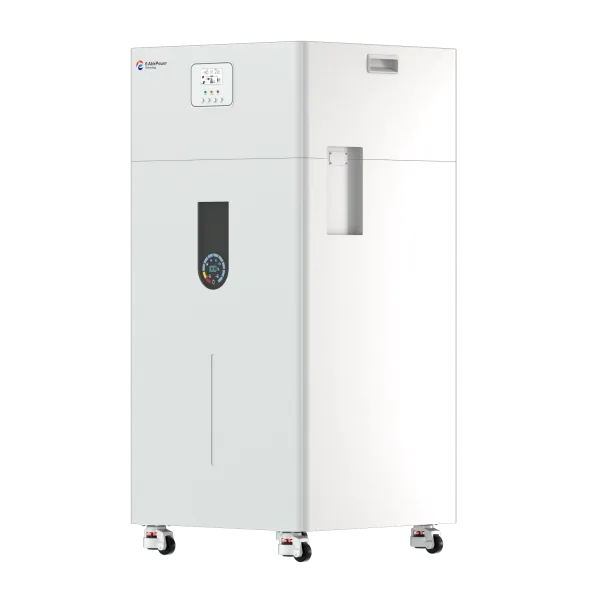
GVR Floor-Standing LiFePO4 Battery

RESIDENTIAL & COMMERCIAL

GVR Floor-Standing LiFePO4 Battery

A floor-standing vertical battery series on a 51.2V low-voltage platform with four capacity classes — 15.36kWh to 32.15kWh (300Ah – 628Ah). Built…

READ PRODUCT BRIEF +

A floor-standing vertical battery series on a 51.2V low-voltage platform with four capacity classes — 15.36kWh to 32.15kWh (300Ah – 628Ah). Built with Grade…

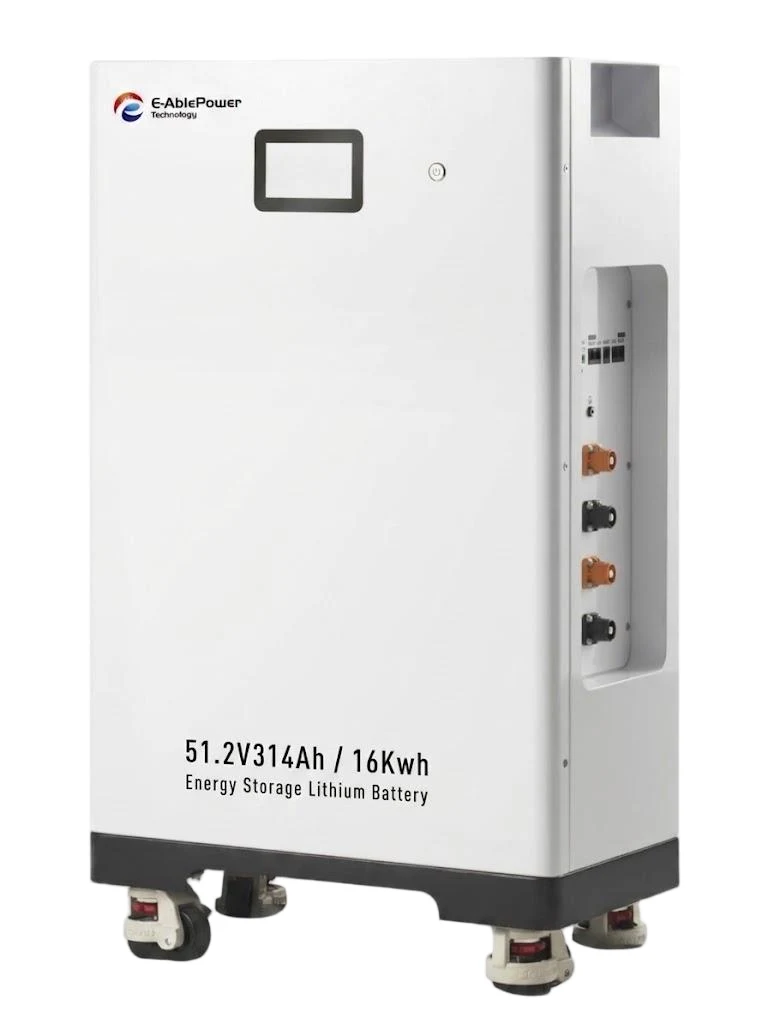
51.2V 314Ah 16kWh Vertical LFP Battery

RESIDENTIAL & COMMERCIAL

51.2V 314Ah 16kWh Vertical LFP Battery

A floor-standing vertical LFP battery on a 51.2V platform with 314Ah cells delivering 16.08kWh (16kWh) of nominal energy, built with Grade A LiFePO4 and an intelligent BMS for whole-home backup.

READ PRODUCT BRIEF +

A floor-standing 51.2V 314Ah LiFePO4 battery delivering 16.08kWh of nominal energy, with a 16S1P cell pack, 200A standard charge/discharge, MPPT or inverter compatibility, IP21/IP65 options and a 5-year warranty.

Wall-Mounted All-In-One ESS

ALL-IN-ONE ESS

Wall-Mounted All-In-One ESS

A compact wall-mounted ESS combining a 3.6kW or 6.5kW hybrid inverter, MPPT solar charger, Grade A LiFePO4 battery (2.56 – 5.12 kWh) and intelligent…

READ PRODUCT BRIEF +

A compact wall-mounted ESS combining a 3.6kW or 6.5kW hybrid inverter, MPPT solar charger, Grade A LiFePO4 battery (2.56 – 5.12 kWh) and intelligent BMS in…

Floor-Standing All-In-One ESS

ALL-IN-ONE ESS

Floor-Standing All-In-One ESS

A pre-integrated floor-standing ESS combining a 6.5kW or 12kW hybrid inverter, MPPT solar charger, Grade A LiFePO4 battery (10.24 – 30.72 kWh) and…

READ PRODUCT BRIEF +

A pre-integrated floor-standing unit in 6.5kW and 12kW ratings pairing inverter and battery in one cabinet — MPPT solar charger and 10.24 – 30.72 kWh Grade A LiFePO4 storage for higher-load homes and light commercial use.

Technical specifications at a glance

ModelEnergy capacityNominal voltageMax parallelWarranty
GWR 48-1005.12kWh (100Ah)51.2V SELV—5 years
GWR 48-20010.24kWh (200Ah)51.2V SELV—5 years
GVR series15.36–32.15kWh51.2Vdc15 units5 years
DK 16kWh (314Ah)16kWh (16.08kWh)51.2Vdc15 units5 years
All-in-One ESS3.6–12kW inverter51.2V—2 years

Application scenarios

Home backup

Keep essential circuits running during grid outages.

Solar self-consumption

Maximise rooftop PV by storing daytime surplus.

TOU arbitrage

Charge off-peak, discharge at peak to cut bills.

Off-grid homes

Pair with a hybrid inverter for full energy independence.

OEM and ODM: what can be changed and what cannot

Customisation usually means labelling and packaging — not a new battery platform.

On the residential range we can change the casing colour, the front label, the manual and the packaging, and adapt the communication protocol and default parameters to the partner's inverter ecosystem. That is the OEM path, and it does not require re-certification of the product.

ODM goes further: a different enclosure, a different capacity split or an integrated inverter. That is a development project with tooling cost, a certification path and a schedule measured in months, not weeks. It is worth being clear about which of the two a request actually is.

The line that should not move is the cell and BMS platform. Changing cells to hit a price target changes the thermal behaviour, the cycle life and the documentation — and the warranty with it.

Certification: what a home storage installation needs

Residential storage is inspected, so the paperwork is part of the product.

Battery packs are supplied with IEC 62619 and UN38.3 test documentation, carry CE and RoHS marking, and are manufactured under ISO 9001 and ISO 14001. Those cover the battery as a component.

The installation itself is a separate question. Whether a hybrid inverter and battery can be connected to a domestic supply, and what the local authority or utility requires, is decided by national rules — not by the battery's certificate. Ask the installer to confirm the local requirement before ordering, because no manufacturer's document substitutes for it.

Comparing models without comparing the wrong numbers

Capacity is the easiest number to quote and among the least useful on its own.

Three figures decide the comparison. Usable energy, which is the rated capacity less the depth of discharge the BMS allows. Continuous power, which decides what the battery can run at once. And voltage window, which decides whether the unit can talk to the inverter already on site.

A 10.24 kWh pack and a 15.36 kWh pack are not interchangeable choices: the first suits a flat or a house without air conditioning, the second is the entry point for a home that runs cooling through the night. Comparing them on price per kilowatt-hour alone will pick the wrong product roughly half the time.

Residential energy storage FAQ

What is residential energy storage and how does it work?

Residential energy storage pairs a LiFePO4 home battery with a hybrid inverter so your roof solar or the grid charges a battery bank during the day, then supplies backup at night or during an outage. E-Able Power's all-in-one and modular 51.2V SELV systems use safe low-voltage DC, a BMS to protect every cell, and support solar self-consumption, time-of-use arbitrage and whole-home battery backup.

How many kWh of home battery backup do I need?

For home battery backup sizing, most households choose 5–32 kWh. A 5.12–10.24 kWh wall-mounted unit keeps lights, Wi-Fi, the fridge and medical devices running, while a 15.36–32.15 kWh floor-standing system can carry larger loads. Send your daily usage and critical loads and E-Able Power will size your residential battery in 2–3 business days.

What is the difference between a wall-mounted and a floor-standing home battery?

Wall-mounted batteries (GWR series) are slim — 5.12–10.24 kWh — and ideal for tight utility rooms or garages. Floor-standing batteries (GVR series) stack vertically for 15.36–32.15 kWh higher capacity in a compact footprint. Both are 51.2V LiFePO4, stackable and BMS-protected, so the real choice is capacity and available mounting space.

Is the 51.2V SELV battery safe to install indoors?

Yes. 51.2V SELV (Safety Extra Low Voltage) keeps the DC bus below the high-voltage threshold, so no high-voltage isolation or dedicated battery room is required. Grade A LiFePO4 cells are thermally stable, and every residential battery system includes a BMS with over-voltage, over-current and temperature protection for safe indoor installation.

Which hybrid inverters are compatible with E-Able Power residential batteries?

Our 51.2V home batteries integrate with a broad hybrid inverter ecosystem, including Growatt, Solis, Goodwe, Sol-Ark, SRNE, DEYE and LuxPower. Battery-to-inverter communication (RS485 / CAN) is factory matched, so pairing a wall or floor battery with your inverter is straightforward.

How long does a residential LiFePO4 battery last and what warranty covers it?

Grade A LiFePO4 cells deliver 6,000+ charge cycles. The GWR wall-mounted and GVR / DK floor-standing battery series carry a 5-year warranty, while the all-in-one ESS units carry a 2-year warranty. That lifecycle makes a residential LiFePO4 battery a low-maintenance, 15–20 year investment for solar self-consumption and backup.

Can I run my whole house on a home battery during a power outage?

Yes, with the right capacity. A whole-home backup battery matched to your single-phase or split-phase hybrid inverter can carry most household loads. For essential-load backup a 10 kWh wall unit is common; for full whole-house power backup, a 15–32 kWh floor-standing battery with MPPT solar charging is recommended.

Can I expand or parallel my residential battery later?

Yes — E-Able Power home batteries are expandable. The GWR wall-mounted series supports stacking, and GVR floor-standing batteries can be paralleled up to 15 units for higher capacity and longer backup runtime. Adding a second unit later is simple, so you can size for today and scale tomorrow.

Power your home with solar + storage.

Send your daily usage and inverter details for a tailored home battery proposal.

Not sure how many kWh the house needs? Read the home battery sizing guide for the four inputs that decide the model.

Download the product datasheet (PDF) for the full model table, compliance list and warranty terms.