
High Mast Lighting Distribution: Engineering the Perfect Beam Angle
Optical Classification Standards
To master high mast illumination, engineers must leverage two primary systems: NEMA Beam Classifications for floodlighting (defining the spread at 10% maximum intensity) and IESNA Distribution Types (describing how light reaches the ground plane). Precision optics allow us to 'shape' the light, ensuring photons reach the target without sky-glow or bleed.
IESNA Ground Patterns
Type III: Asymmetric distribution pushing light forward and sideways. Ideal for perimeters and multi-lane highways.
Type V: The "Gold Standard" 360° symmetrical circular/square pattern. Engineered for central placement in industrial yards.
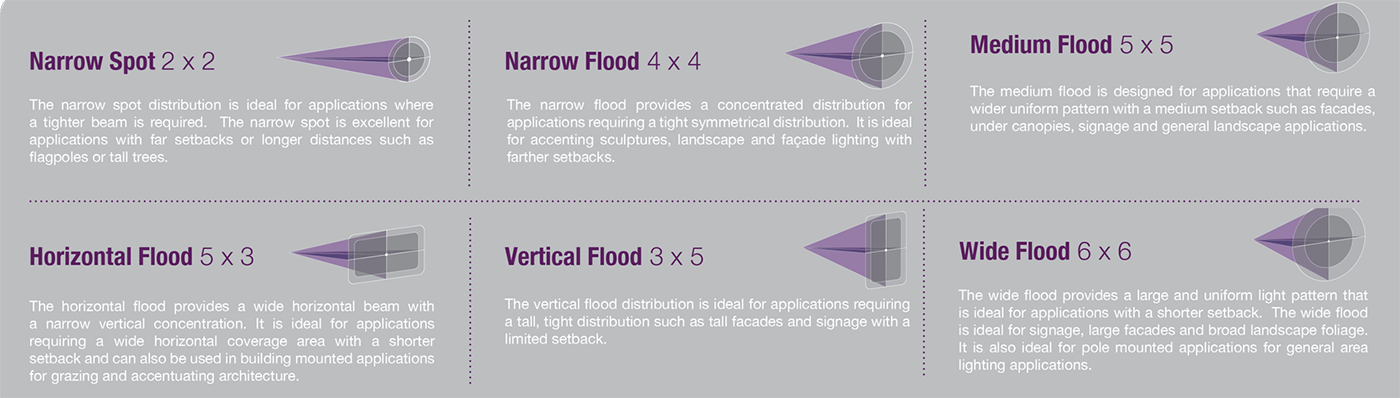
Narrow Spot (2x2)
Designed for extreme distances. Ensures photons reach the target without light pollution or sky-bleed, perfect for high-altitude monuments .
Asymmetric (5x3)
Shapes the beam specifically for Rectangular Areas . Vertical flood for tall structures, Horizontal for grazing long perimeter walls.
Wide Uniformity (6x6)
Provides a uniform pattern from 15m to 30m heights . Reduces pole count while covering expansive plazas and sports arenas.
Maximizing energy savings across massive grids.
Standardized heights for municipal infrastructure.
Anti-corrosion for harsh coastal environments.
Advanced 3000W LED heat dissipation tech.
Proven Infrastructure Reliability
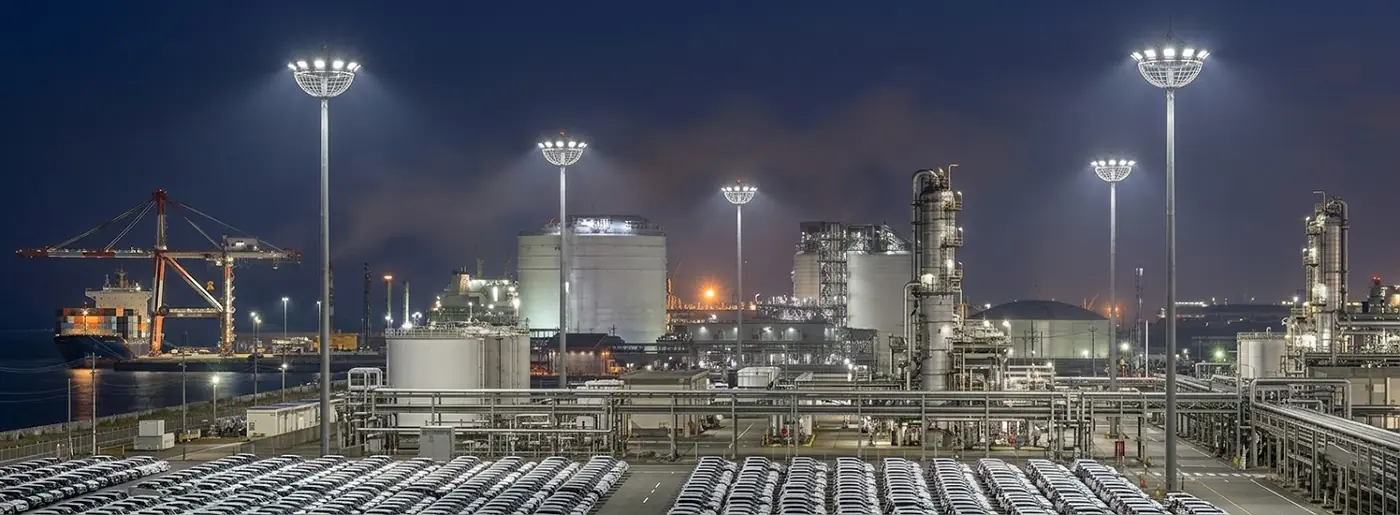
Visualize Performance Before Installation
Choosing the right beam angle is a science. Our engineering team provides Free DIALux simulations to visualize uniformity and lux levels before purchase.
Have a solar or storage project?
Send your site conditions for a system engineered to your location — DIALux simulation, sizing and pricing within 2–3 business days.