
Harnessing the Sun: The Engineering Behind Solar Power Street Lights
Systemic Energy Transformation
The core of a solar power street light lies in its ability to capture sunlight via photovoltaic (PV) cells and convert it into DC electricity. This power is regulated by a smart controller and stored in high-density batteries, ensuring 365-night operation regardless of grid availability.
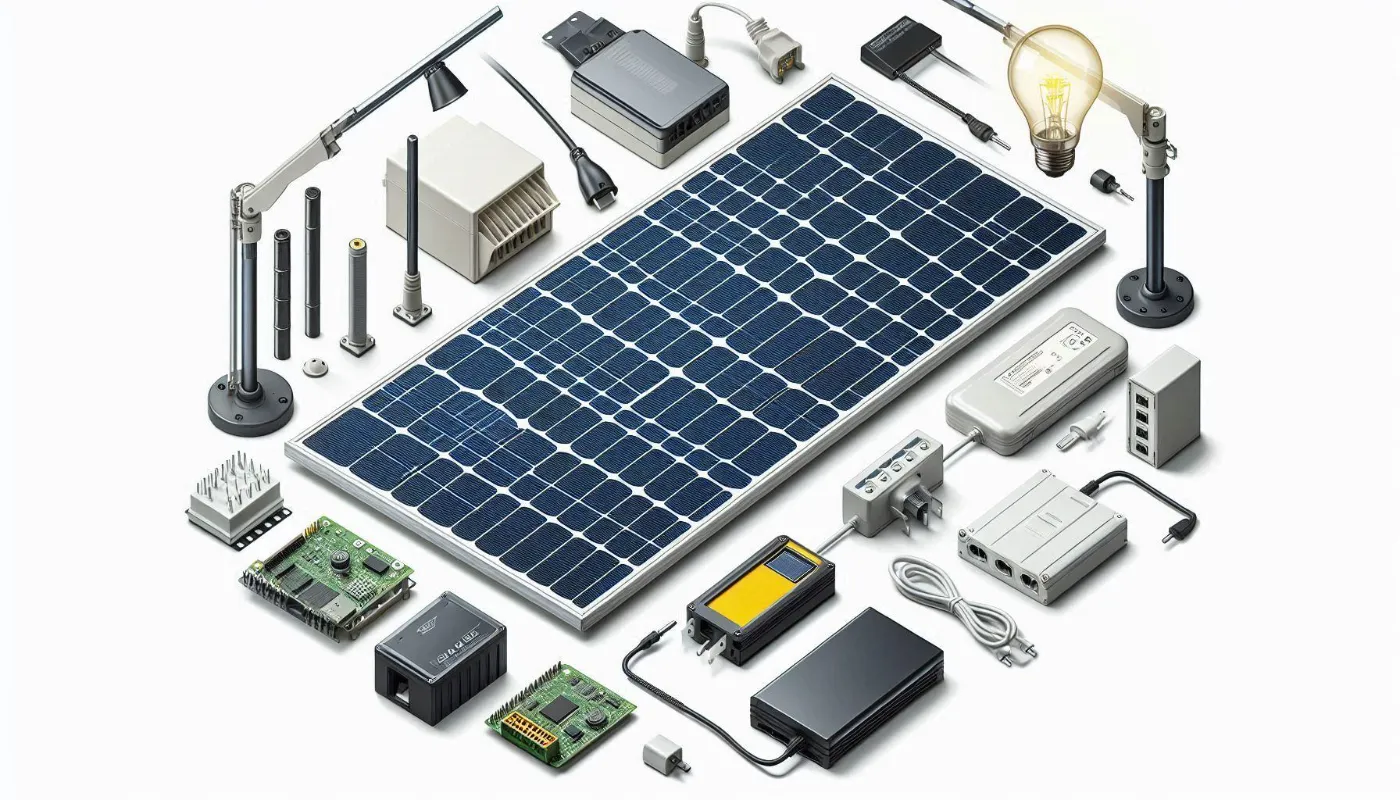
Solar Panels
Utilizing high-efficiency monocrystalline silicon to maximize energy capture through the photovoltaic effect, even in low-light conditions.
Charge Controller
Advanced MPPT regulation prevents overcharging/discharging, optimizing the flow between panels and batteries for maximum lifespan.
LiFePO4 Battery
High energy density Lithium-Ion batteries provide durable, maintenance-free storage for deep discharge cycles at night.
LED Fixture
Bridgelux/Cree LED chips deliver high lumens (up to 200lm/W) with minimal power consumption and 50,000+ hour lifespans.
Expert FAQ: Project Intelligence
Q: Battery Lifespan Expectancy?
Typically, high-grade LiFePO4 batteries last 5 to 8 years depending on depth of discharge (DoD) and ambient temperature.
Q: Performance in Cloudy Conditions?
Modern PV technology and MPPT controllers allow for energy capture even on overcast days , ensuring backup autonomy for 3-5 rainy days.
Q: Maintenance Requirements?
Minimal. Requires only routine solar panel cleaning to remove dust and ensuring unobstructed sunlight access.
Q: TCO vs. Traditional Grid Lights?
While the initial CAPEX is higher, the Zero OPEX (no electricity bills/trenching) makes solar significantly more cost-effective over a 20-year cycle.
Explore Our Professional Lighting Series
Discover the precision engineering of E-ABLE POWER factory-direct solutions tailored for municipal tenders and commercial developments.
Have a solar or storage project?
Send your site conditions for a system engineered to your location — DIALux simulation, sizing and pricing within 2–3 business days.