
Lifespan Analysis: How Long Do Solar Street Lights Really Last?
Engineering for Longevity
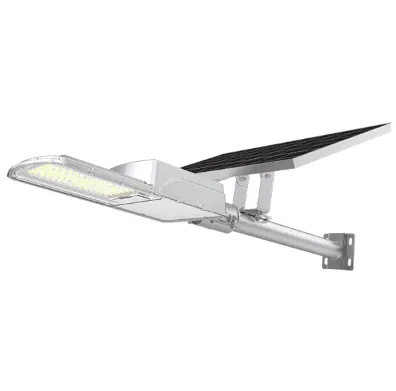
The durability of a solar system hinges on component synergy. High-grade Lithium-ion batteries offer 3x the cycle life of traditional lead-acid units, while Monocrystalline PV panels maintain peak efficiency for over two decades. Proper installation and thermal management are the keys to mitigating environmental degradation.
Core Lifespan Anchors:
Solar Panels: 20–30 Years (0.5% annual degradation)
LiFePO4 Batteries: 8–15 Years of service life
LED Modules: 50,000–100,000 Operational hours
Energy Storage Benchmark: Lithium-ion vs. Lead-acid
Performance: Stable in extreme temperatures
Maintenance: Zero periodic care required
Performance: Rapid degradation in heat/cold
Maintenance: Frequent inspections needed
For a full technical battery analysis, click here.
Structural Integrity & Control
The backbone of the system—the hot-dip galvanized steel pole —is engineered to resist corrosion for over 20 years. Internally, the MPPT controller acts as the brain, regulating voltage fluctuations and protecting the battery from overcharging, effectively extending the total system lifecycle by up to 25%.
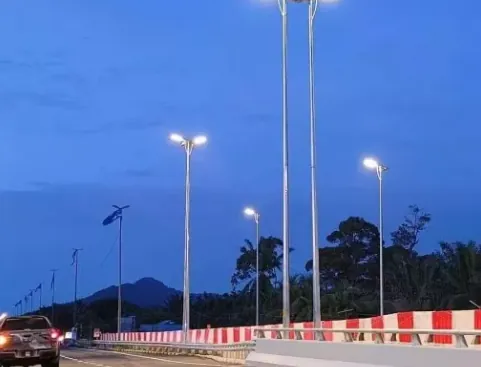
Built for 20 Years of Reliable Light
E-ABLE POWER provides factory-direct expertise and high-quality components for long-term municipal projects. Secure your infrastructure with proven sustainability.
Frequently Asked Questions (FAQ)
Q: Are solar street lights more durable than grid lights? A: Yes. Solar systems avoid grid-wide surges and underground cable decay, typically lasting 8-12 years with battery swaps, outperforming many HID grid systems.
Q: What is the best battery type for longevity? A: Lithium-ion (LiFePO4) is the industry standard for durability, offering 8–15 years of service compared to the 3-5 years of lead-acid.
Have a solar or storage project?
Send your site conditions for a system engineered to your location — DIALux simulation, sizing and pricing within 2–3 business days.