
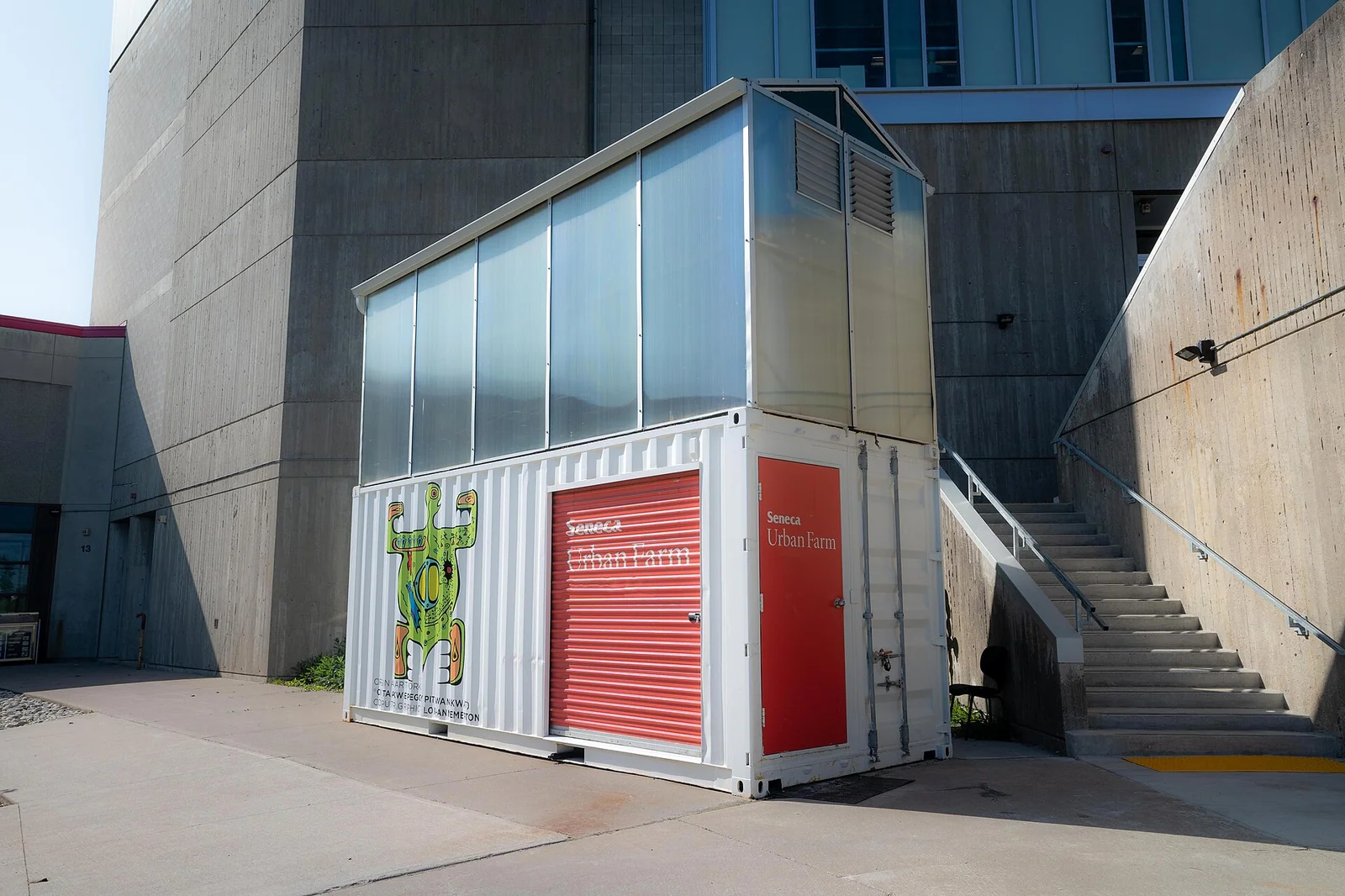
Most enquiries arrive with the equipment already chosen. This one arrived with a load. A distributor wrote that they are starting to market container-grown aeroponic greenhouses. Each container consumes between 55 and 75 kWh. The destination is Italy. The requirement is to make them self-sufficient with photovoltaic generation and battery storage. The equipment answer took one page. What decided it was six inputs — and four of them were not in the brief. This is the order in which they constrain a design.
1. Energy first, equipment second
“We need a battery” is not a specification. The only figure that sizes a system is daily energy — kWh per day — followed immediately by the shape of the load behind it.
At the top of the stated range, 75 kWh/day across 24 hours is an average of 3.1 kW. That places the plant firmly in small-commercial territory, and it is a useful reminder that “container farm” describes a building, not a scale of demand.
Six inputs turn that one sentence into a configuration:
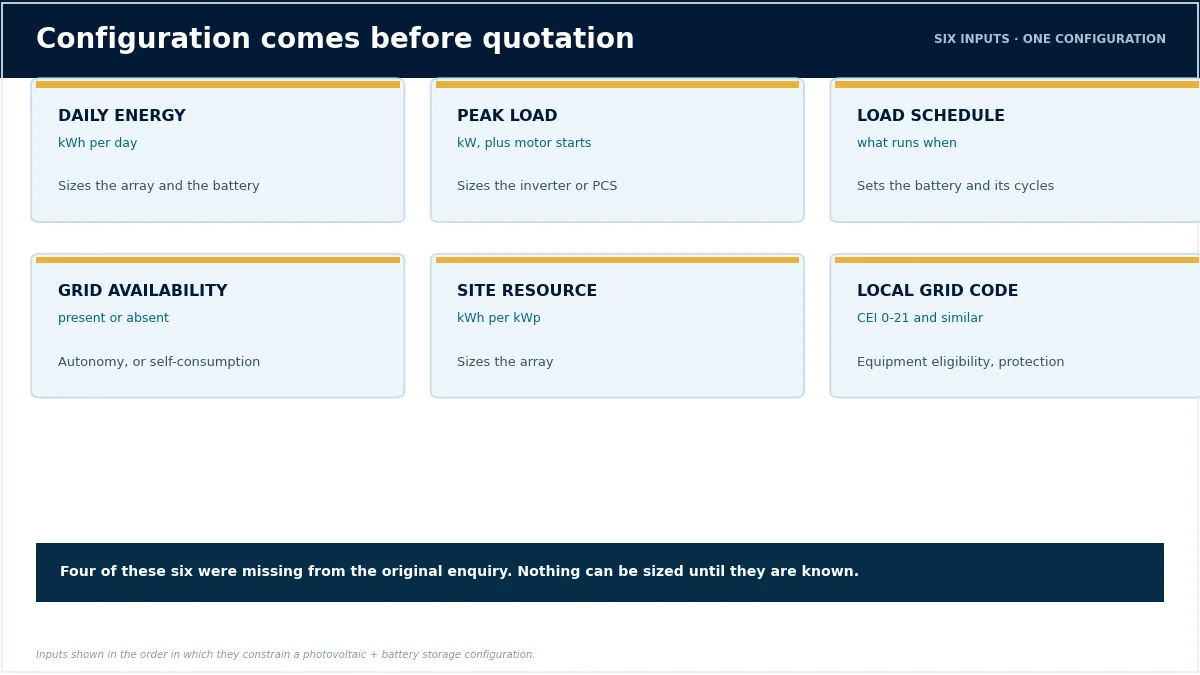
| Input | What it decides | Why it cannot be assumed |
|---|---|---|
| Daily energy (kWh/day) | Array size and battery capacity | A 20 kWh/day site and a 200 kWh/day site look identical in a brief that says “a container” |
| Peak load (kW) | Inverter or PCS rating | Compressor and pump starting currents are several times the average |
| Load schedule | Battery capacity and daily cycle count | A night-heavy schedule shifts energy that would otherwise be self-consumed directly |
| Grid availability | Array size, and autonomy versus self-consumption | It changes the answer by about 50% of array capacity |
| Site resource | Array size | Within one country, specific yield can vary by 16% |
| Local grid code | Equipment eligibility, protection, documentation | A cabinet that cannot be listed on the distributor’s register is not an option, however good it is |
2. Size the array on the worst month, not the best
Italy is a strong solar market and a strongly seasonal one. On PVGIS 5.3, a 1 kWp array in Milan yields 164 kWh in July and 68 kWh in December — a 2.4 to 1 swing. Rome is milder, 172 kWh in July against 86 kWh in December, but the shape is identical.
A container’s climate control, misting pumps and grow lighting do not follow that curve. The load is close to flat across the year; the resource is not. The consequence is that December, not July, sets the array size. A system dimensioned on summer output — a common outcome when a quotation is built from a single annual yield figure — will deliver roughly half the daily requirement in midwinter, which is exactly when a controlled-environment container cannot afford to stop.
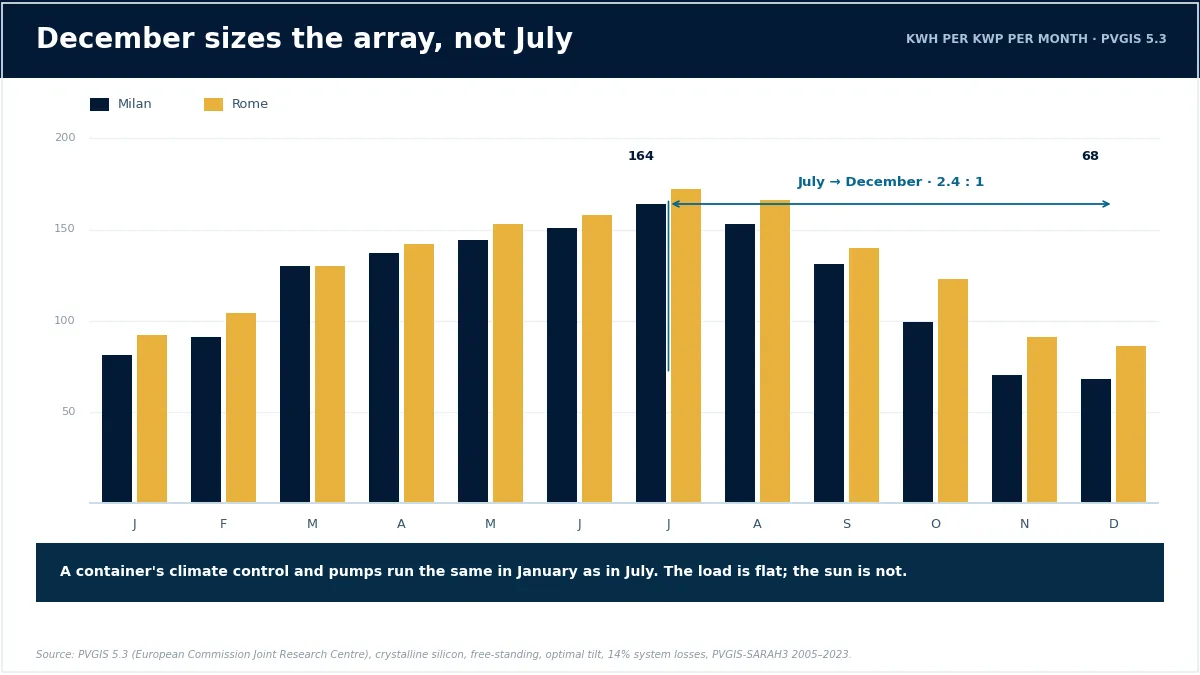
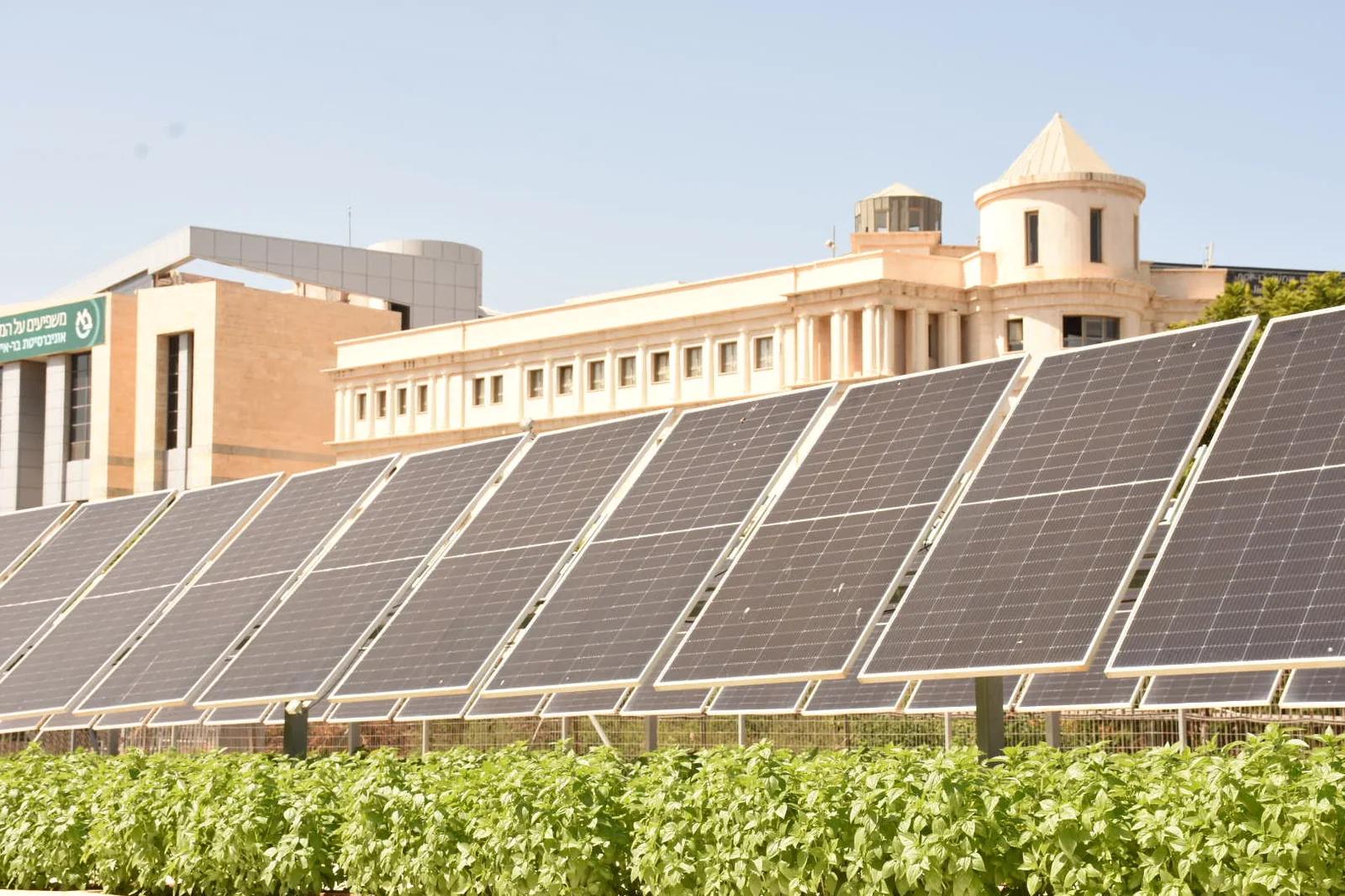
The practical split follows from whether the site has a grid connection. With one, the winter deficit is bought from the network and the array is sized on the annual energy balance. Without one, the array is sized on December and grows by roughly 50%.
3. Separate power from energy
Two different numbers size two different components, and confusing them is the most common cause of a system that works on paper and trips on site.
- Energy (kWh) sizes the battery. Of the 75 kWh this container uses each day, roughly 37 kWh falls outside the production window and has to be carried overnight; a fully overcast day has to be carried entirely.
- Power (kW) sizes the inverter or PCS. Compressor and pump starting currents pull several times the average for a fraction of a second, and the inverter has to survive that every time the motor starts.
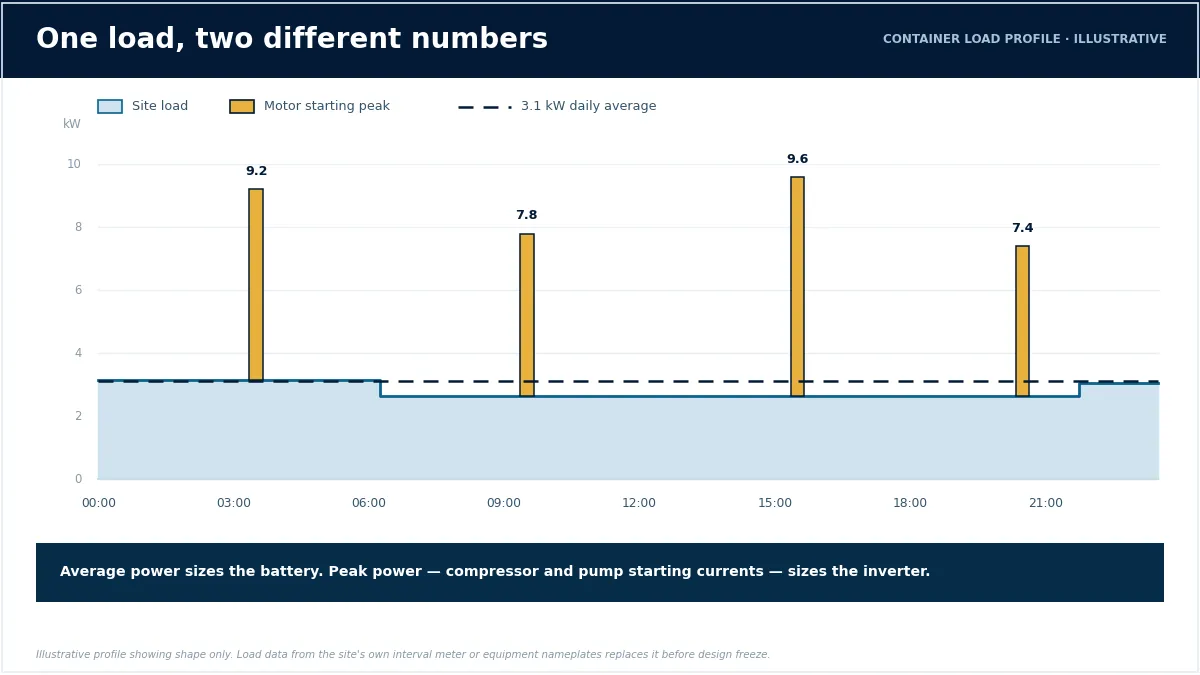
This is why “what is your peak load, and what is the starting current of your largest motor?” is asked before any price is quoted. It is also why an oversized battery cannot compensate for an undersized inverter.
4. Battery autonomy is a decision, not a default
Battery capacity is normally quoted as a nominal figure. What matters in operation is usable energy at the depth of discharge you are designing to — for LFP, 90% is a normal working assumption against a 6,000-cycle rating.
On that basis, three cabinet sizes give three genuinely different answers for the same 75 kWh/day container:
| Cabinet | Usable at 90% DOD | Autonomy at 75 kWh/day | When it is the right answer |
|---|---|---|---|
| 50 kWh | 45 kWh | 0.6 day | Night shifting only, with the grid covering a dull day |
| 112 kWh | 101 kWh | 1.4 days | A full overcast day with margin — the usual choice for this load class |
| 241 kWh | 217 kWh | 2.9 days | No grid connection at all, or two to three containers on one unit |
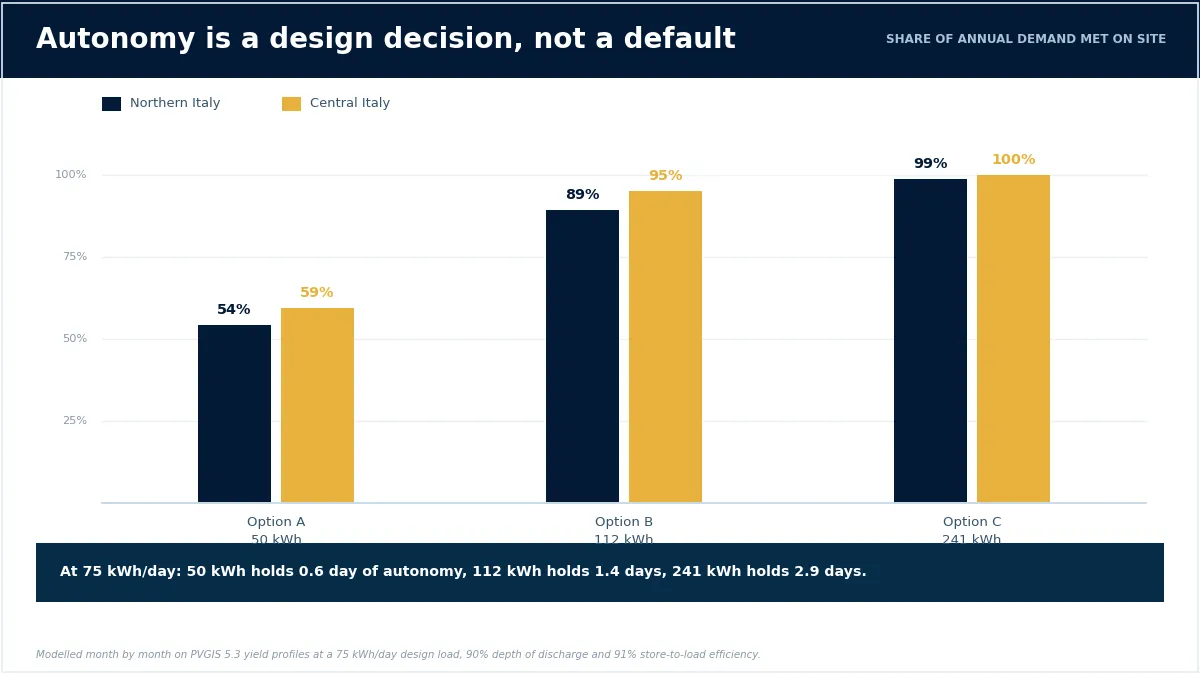
Read the middle row carefully. What the 112 kWh cabinet buys is not “more backup” in the abstract; it is the removal of the grid from the daily operating loop, with the connection left in place for the deepest winter weeks.
5. Grid availability changes the answer, not just the backup
This is the input that most often goes unasked, and it moves more of the design than any other single answer. The same container in the same country has two different systems depending on one line in the site survey:
| Design parameter | With a grid connection | Without one |
|---|---|---|
| Array | 23.4 kWp (40 × 585 W) | 35.1 kWp (60 × 585 W) |
| Battery class | 112 kWh | 241 kWh |
| Design month | Annual energy balance | December |
| Annual demand met on site | 89% northern Italy, 95% central | 99% northern Italy, 100% central |
| Array footprint | approx. 170 m² | approx. 255 m² |
For grid-connected work in this class, the cabinets in our air-cooled commercial and industrial ESS range cover the span: the GCB-E50 at 50 kW / 50 kWh, the GCB-E112 at 50 kW / 112.53 kWh — the reference configuration for the load discussed here — and the GCB-E241 at 125 kW / 241.15 kWh. Above them sit the GCB-E257 at 125 kW / 257 kWh and the GCB-E261, which moves the same duty onto liquid cooling where ambient temperature or cycling rate demands it. Multi-megawatt sites move to utility-scale ESS containers.
6. The local grid code is a design input, not paperwork
Storage operating in parallel with the Italian low-voltage network is governed by CEI 0-21 (CEI 0-16 at medium voltage), and the inverter has to appear on the distributor’s list of conforming equipment. Two consequences for configuration: the eligible equipment list narrows before the design is frozen, and the conformity documentation has to exist before the connection application rather than after delivery.
The same pattern appears in every market, wearing different clothes. In Uruguay it is contracted power that caps the array — covered in our UTE bill sizing walkthrough. Italy adds a commercial layer on top: surplus generation can be remunerated through the GSE Ritiro Dedicato scheme, or shared through a renewable energy community under D.M. 414/2023, where the GSE tariff on shared energy runs from 60 to 120 €/MWh depending on plant size and market energy value. The PNRR capital grant for those communities, up to 40% of eligible cost, closed to new applications on 30 November 2025.
None of that changes the physics. All of it changes what you are permitted to install.
What the six inputs look like as a request
Stripped of everything else, a brief that can be sized reads like this: daily energy in kWh; peak load in kW together with the starting current of the largest motor; the number of units in the first deployment; the site’s province or coordinates; whether a grid connection exists; and the operating schedule of the lighting and climate control. Six lines. Everything else — cabinet class, array size, string design, protection scheme, authorisation route — follows from them.
Where a project needs DC-side flexibility rather than a single integrated cabinet, the GHS-100 and GHS-200 high-voltage stackable batteries, the GHR-314 three-stack rack and the GLR-314 module cover rack-scale builds. For residential and light-commercial sites, the GVR floor-standing and GWR wall-mounted batteries sit alongside the residential energy storage and residential solar power inverter lines and the split-phase hybrid inverter for 120/240 V markets. Recent deliveries are collected under energy storage applications and projects.
What we do with them
Send the six inputs and the site, and what comes back is an array sized to that location’s own solar resource, a battery sized to the autonomy you actually need rather than a round number, a string design checked at the site’s temperature extremes, and the authorisation route for the country. That is the same walkthrough we publish, and it takes two to three business days.
Start with the energy storage range for the full picture of cabinet and container options, or contact our team with whatever load data you already have. If you are still at the stage of working out what you need, the Uruguay walkthrough shows the method applied end to end from a utility bill.
Image credits. “Seneca Container Farm” by David Park at Just Vertical (CC0); “Shipping Container Farm – Pillsbury United Farms at North Market, Minneapolis” by Tony Webster (CC BY 2.0); “Agrivoltaic field in Israel” by Kinglir2026 (CC BY 4.0); “Indoor Hydroponics of Morus, Japan” by Satoshi KINOKUNI (CC BY 2.0) — via Wikimedia Commons. Application photos are illustrative and do not depict E-Able Power installations.