E-ABLE POWER / SOLAR LIGHTING

AuroraPathAll-In-Two Solar

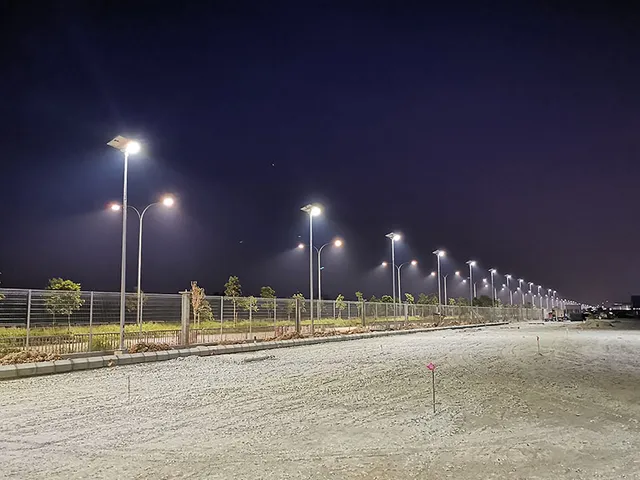
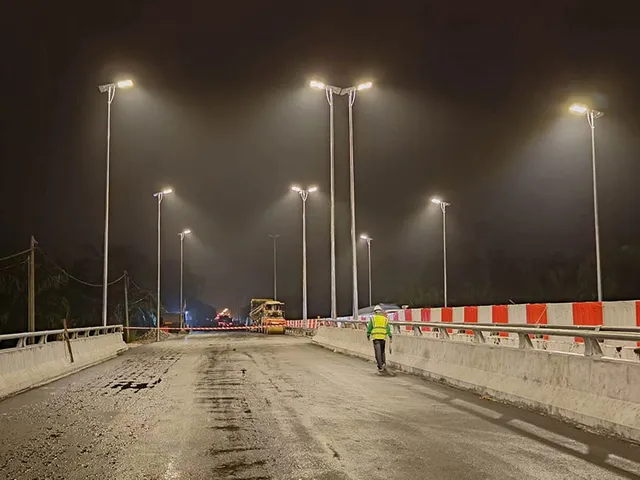
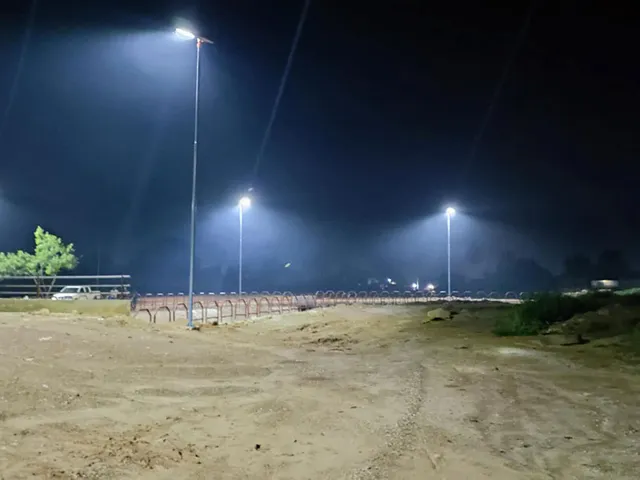
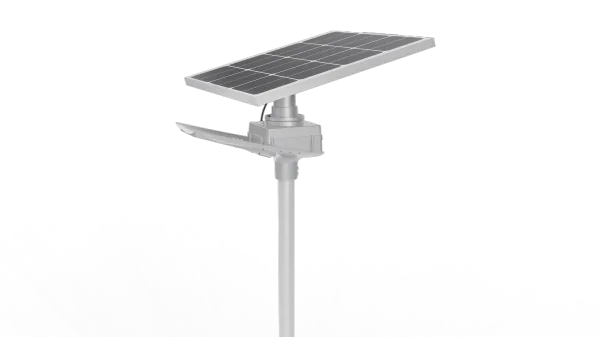
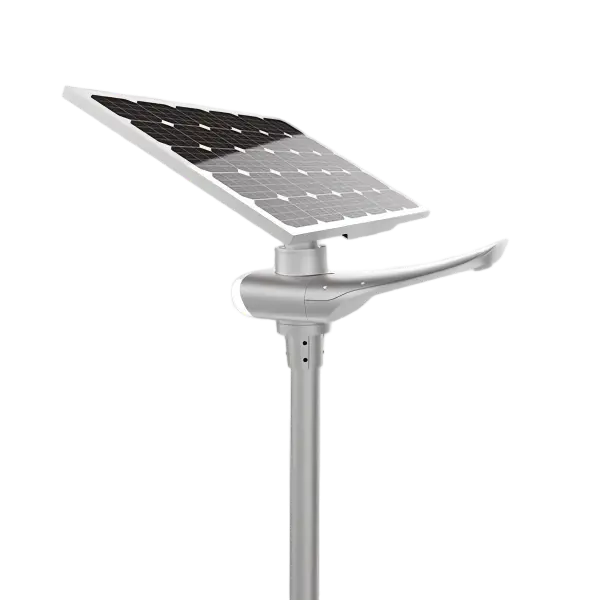
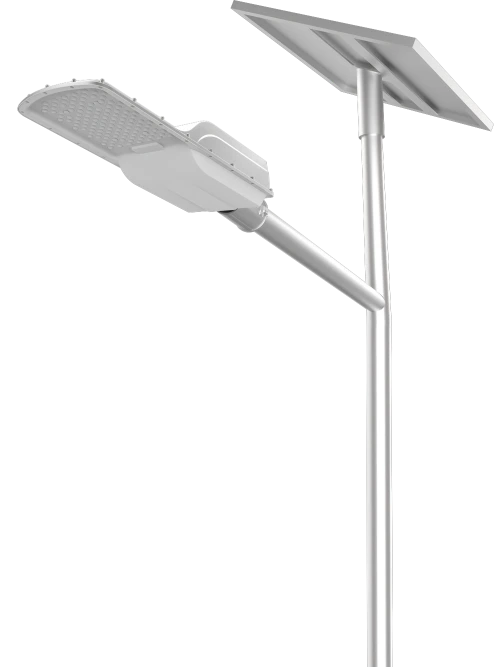
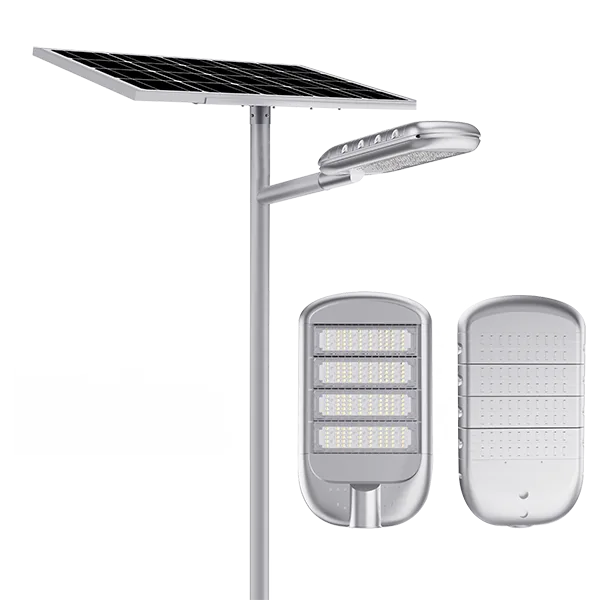
AuroraPath all-in-two solar street light that separates the panel for better orientation while keeping battery and LED integrated. Flexible panel angle captures more sun for steady nightly output.

E-ABLE POWER — PRODUCT DATASHEET
PATHWAY & PEDESTRIAN SOLAR LIGHTING
ALL-IN-TWO     PIR AI SENSOR     12W – 50W

AuroraPath Series | All-in-Two Pathway & Pedestrian Lighting

AuroraPath All-in-Two Solar Pathway Light

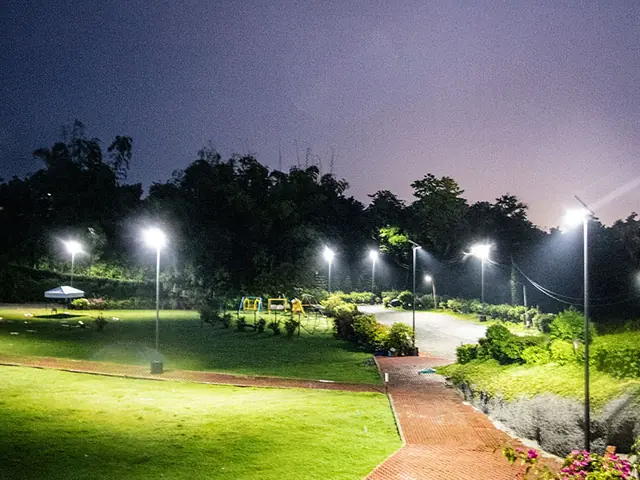
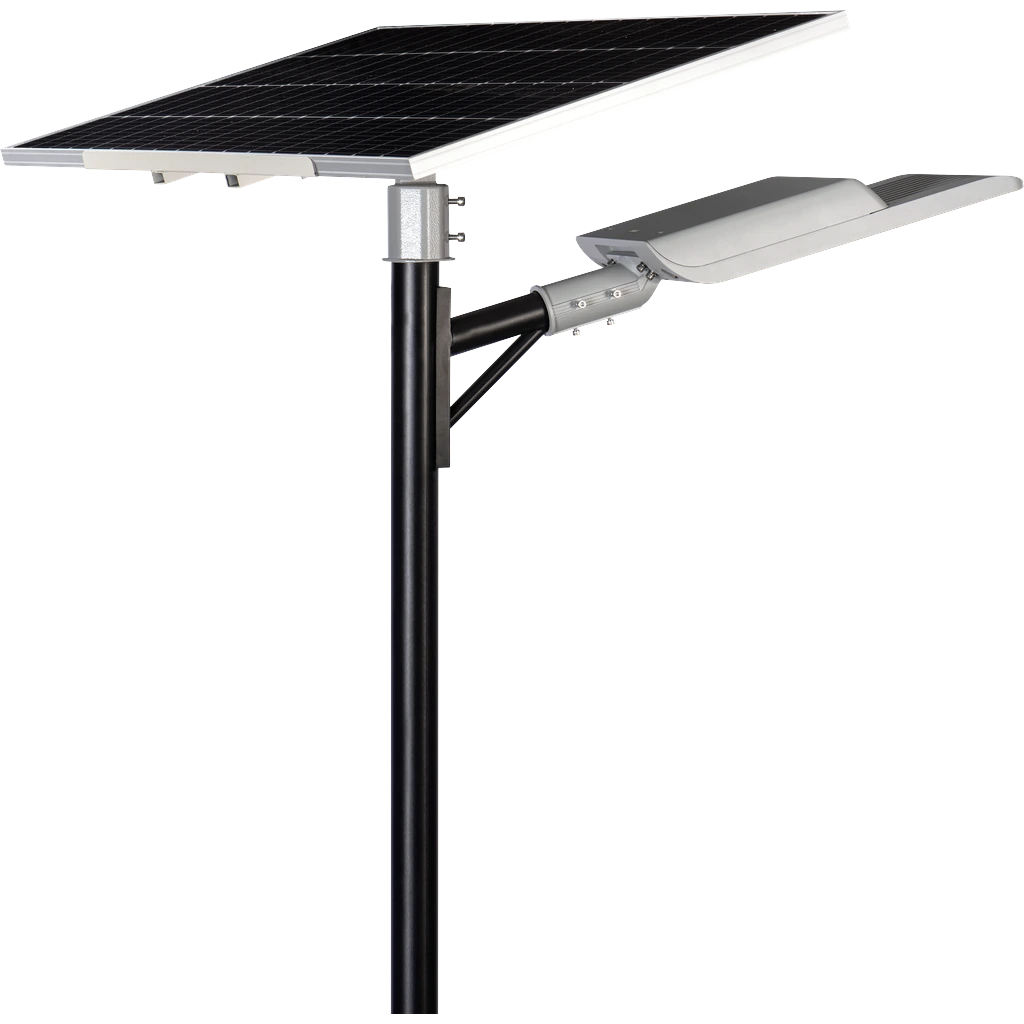
An all-in-two solar pathway light that pairs a PIR AI motion sensor, adjustable monocrystalline solar panel, and wide-beam pedestrian optics — delivering safe, energy-efficient outdoor lighting. Available in 6 models from 12W to 50W, the AuroraPath semi-integrated design lets you independently aim the solar panel toward the sun (regardless of path direction) while keeping the LiFePO4 battery and MPPT charge controller integrated in the lamp head for clean, pole-top, trench-free installation. The AI-optimized PIR sensor dims to 20–30% brightness when the path is clear and ramps to 100% on pedestrian approach, cutting nightly energy use by 50–70% and extending battery autonomy. Ideal for parks, sidewalks, campus perimeters, hotel walkways, residential paths, bike trails and pedestrian zones where pedestrian safety, dark-sky compliance and low maintenance matter — backed by OEM/ODM, DIALux simulation and free project sizing.

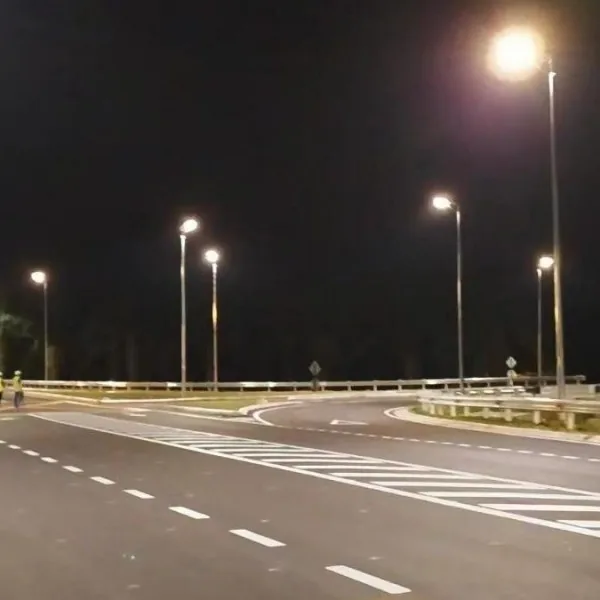
A road at dusk with a vibrant pink and purple sky, illuminated by tall solar street lights, with a car driving in the distance.

Key Specifications at a Glance

ArchitectureAll-in-Two — Separate PV + Integrated LampLED Range12W – 50W (6 Models)
Luminous Flux2,400 – 10,000 lmSolar Panel30W – 120W Monocrystalline (Adjustable)
BatteryLiFePO4 80 – 384 WhSensorPIR AI Motion Detection
OpticsWide-Beam Pedestrian LensMounting Height3m – 10m
ControlDusk-to-Dawn Auto + DimmableIP RatingIP66 Waterproof & Dustproof

Key Performance Advantages

Precision Pathway Optics

Specialized wide-beam asymmetric lenses maximize lateral light spread across 3-5 meter pathway widths while minimizing upward light pollution. Unlike road-focused Type II/III optics that concentrate light in a forward cone, AuroraPath distributes illumination evenly across the full pedestrian corridor — meeting P-class (pedestrian) lighting standards for public walkways.

Adjustable Solar Harvesting

The separate monocrystalline panel mounts on an adjustable bracket for independent tilt and azimuth positioning. In shaded landscape environments — tree-lined paths, garden walkways, courtyard perimeters — you can position the panel outside the shade canopy while the luminaire remains on the path. This recovers energy yield that a fixed-direction all-in-one would permanently lose.

PIR AI Motion Intelligence

The AI-optimized PIR sensor distinguishes pedestrian movement from background noise (wind-blown vegetation, small animals) — triggering a boost from a dimmed standby level (~20-30%) to full brightness upon confirmed human detection. This conserves 50-70% of battery energy on paths with intermittent nighttime use, extending autonomy from 2 nights to 4+ nights without increasing battery size.

AuroraPath Model Selection — 6 Configurations

* All models: All-in-Two architecture, LiFePO4 battery, MPPT controller, PIR motion sensor option, IP66 waterproof, CE / RoHS / ISO9001 certified, 3-year warranty.
Model LED Power Lumens Solar Panel Battery (LiFePO4) Pole Height Suggested Use
YL-30P 12W 2,400 lm 30W 80 Wh 3 – 5 m Garden paths, courtyards
YL-60P 15W 3,000 lm 60W 128 Wh 3 – 5 m Residential sidewalks
YY-80 20W 4,000 lm 60W 192 Wh 5 – 6 m Park pathways, plazas
YY-100 30W 6,000 lm 70W 256 Wh 7 – 8 m Hotel walkways, campuses
YH-100 40W 8,000 lm 100W 320 Wh 7 – 8 m Wide boulevard paths
YH-120 50W 10,000 lm 120W 384 Wh 8 – 10 m Campus perimeters, parks

Elite Municipal & Global Deployments

AuroraPath Frequently Asked Questions

How does the PIR AI motion sensor improve pathway lighting efficiency?
The AI-optimized PIR sensor uses pattern recognition to distinguish human walking motion from background triggers like wind-blown branches or small animals — eliminating false-positive activations that waste battery power. When no pedestrian is detected, the light dims to 20-30% brightness (maintaining navigable ambient light). Upon confirmed pedestrian approach, it smoothly ramps to 100% brightness within 0.5 seconds. On a typical residential path with intermittent nighttime traffic (e.g., one person every 15-30 minutes), this adaptive strategy reduces nightly energy consumption by 50-70%, effectively extending battery autonomy from 2 nights to 4+ nights without upsizing the battery.
Which AuroraPath model is right for my pathway project?
Selection depends on pathway width and pole height: YL-30P / YL-60P (12-15W, 3-5m poles) for narrow garden paths, courtyard walkways, and residential sidewalks up to 2m wide. YY-80 / YY-100 (20-30W, 5-8m poles) for public park pathways, plaza perimeters, and hotel resort walkways up to 4m wide. YH-100 / YH-120 (40-50W, 7-10m poles) for wide boulevard paths, campus perimeters, and large public squares up to 6m wide. Provide your path layout and our team returns a DIALux simulation with illuminance maps — free of charge.
Can AuroraPath handle shaded or tree-lined walkways?
Yes — this is one of the key reasons to choose the all-in-two design for pathway applications. Tree-lined paths and garden walkways often have partial canopy shading that dramatically reduces flat-panel solar output. With AuroraPath, the separate adjustable panel can be mounted outside the shade zone (e.g., on an extended bracket away from the canopy or at a different height along the pole) while the luminaire remains in the optimal pedestrian location. This decoupling recovers energy yield that a fixed all-in-one fixture permanently loses. For heavily forested sites, we can also upsize the panel wattage to compensate for reduced irradiance.

100% QC inspection. Factory: Dongguan, Guangdong, China.

Plan your AuroraPath All in Two Solar Power Street Light project.

Send your site conditions, lighting requirements or load profile for a system engineered to your location — DIALux simulation, sizing and pricing within 2–3 business days.