
A split-phase hybrid inverter sits between the solar array, battery bank and household distribution panel. For homes using 120/240V service, the right model must support the intended loads, the planned battery voltage and the PV array—not simply provide a high nameplate output.
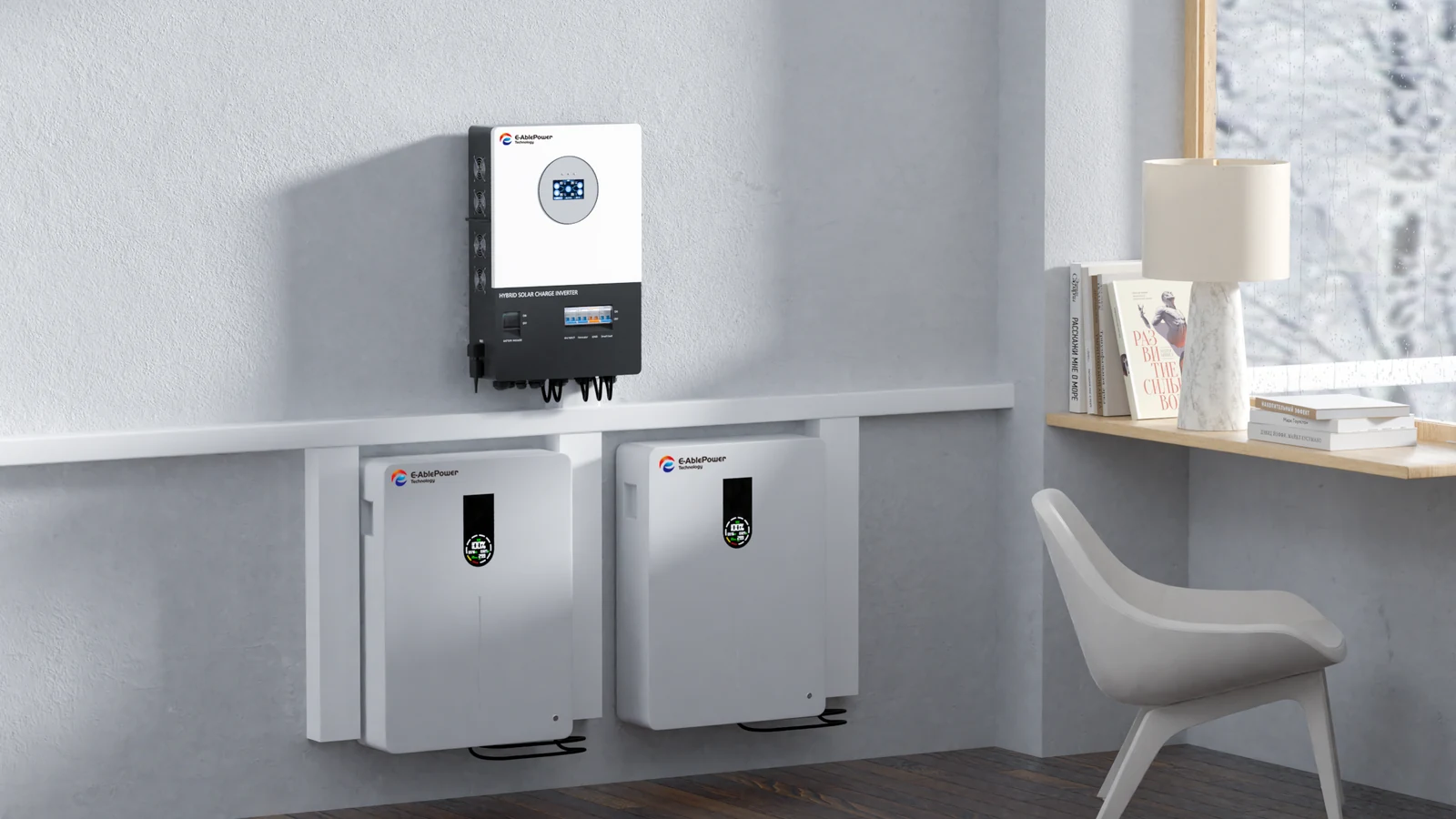
What a split-phase hybrid inverter does
A hybrid inverter coordinates several sources in one system: PV generation, battery storage, an AC source and home loads. The supplied split-phase connection diagram shows the expected system relationships—solar panels, grid input, optional generator input, battery storage and household loads. The final wiring method, protection settings and local approvals must always be confirmed by a qualified installer.
7.2kW vs 12kW: start with the load profile
Choosing between 7.2kW and 12kW begins with which circuits the system must serve. List essential loads, their running demand and any motor or appliance starting demand. Then decide whether the system is intended for essential-load backup, a larger whole-home backup scope, or a solar-plus-storage installation with controlled load management.
The supplied split-phase data sheet lists 7.2kW and 12kW models with 120/240Vac input/output. It also states an off-grid peak-power capability of 1.5 times rated power for 10 seconds. That figure is a design input, not a guarantee that every combination of appliances can run together. Circuit design and commissioning remain site-specific.
PV, battery and AC figures to check
PV input and MPPT range
The 7.2kW and 12kW split models list two MPPT trackers, a 500V maximum PV input voltage and a 90–450Vdc MPPT range. The 7.2kW model lists 4,500W + 4,500W maximum PV input power, while the 12kW model lists 6,000W + 6,000W. These figures help the installer arrange strings within voltage limits and match the array to the selected inverter.
Battery compatibility
The split data sheet lists lithium-ion and lead-acid battery compatibility, a 40–58.6Vdc battery voltage range and BMS self-adaptation for lithium batteries. For a residential lithium system, review the battery manufacturer’s approved communications, current limits and protection requirements before selecting a final configuration. Explore E-Able Power residential energy storage systems for compatible home-storage options.
AC service and installation scope
The IP-Plus documentation also lists 120/240Vac operation, multiple output modes and two MPPT groups. Do not mix values from separate models or documents during procurement. Ask the project team to confirm the exact model, PV string design, battery capacity, essential-load panel and local electrical requirements together.
Questions to confirm before installation
- Which 120V and 240V circuits are essential during an outage?
- What is the expected simultaneous running load and motor starting demand?
- Does the PV string design remain inside the model’s voltage and MPPT range?
- Which battery voltage, BMS communication method and protection devices are approved for the project?
- What local permit, utility and installer requirements apply?
Choose a split-phase hybrid inverter with E-Able Power
Review the split-phase hybrid inverter range, then send the load profile, PV plan and battery requirement to E-Able Power for a configuration discussion.
REQUEST PROJECT SUPPORT →